Industrial Vacuums St. Lucie & Orange County, FL

Dust Control That Actually Keeps You Compliant

You need industrial vacuums that handle concrete dust, surface prep debris, and OSHA requirements without the headache of ownership. Electric or diesel, single or dual-motor HEPA systems ready for your job site in St. Lucie County and Orange County.

HEPA Vacuum Rentals in St. Lucie & Orange County, FL

The Right Suction Power for Surface Prep Work

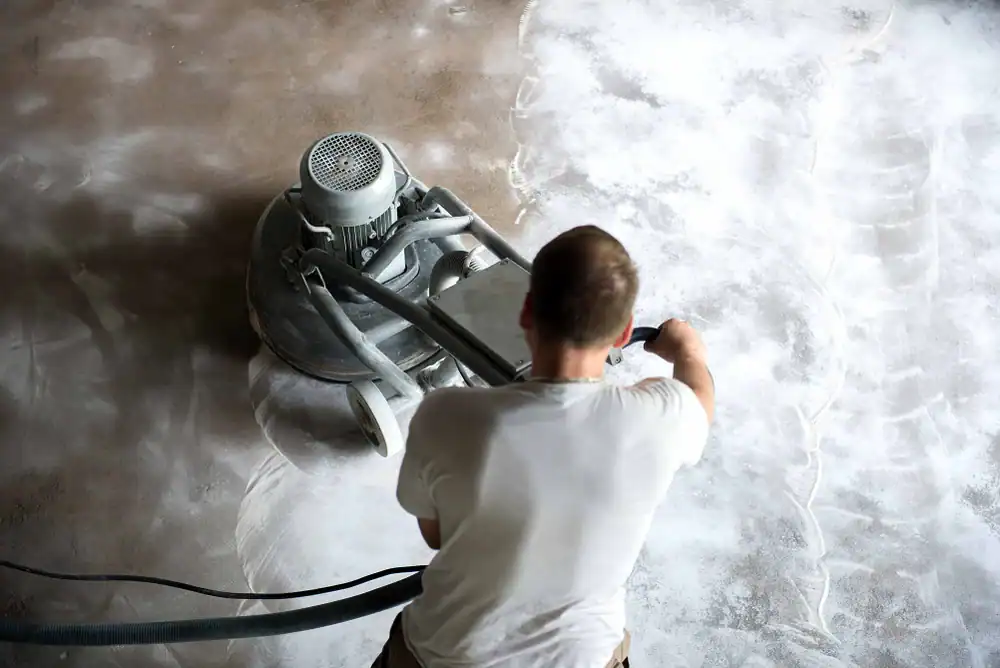
Industrial vacuums do more than pick up dust. They’re the difference between OSHA compliance and a citation, between a crew breathing clean air and one exposed to silica particles that cause long-term lung damage. When you’re grinding concrete, running a shot blaster, or scarifying floors in St. Lucie County or Orange County, you need equipment that matches your tools and actually captures the fine dust those operations create.

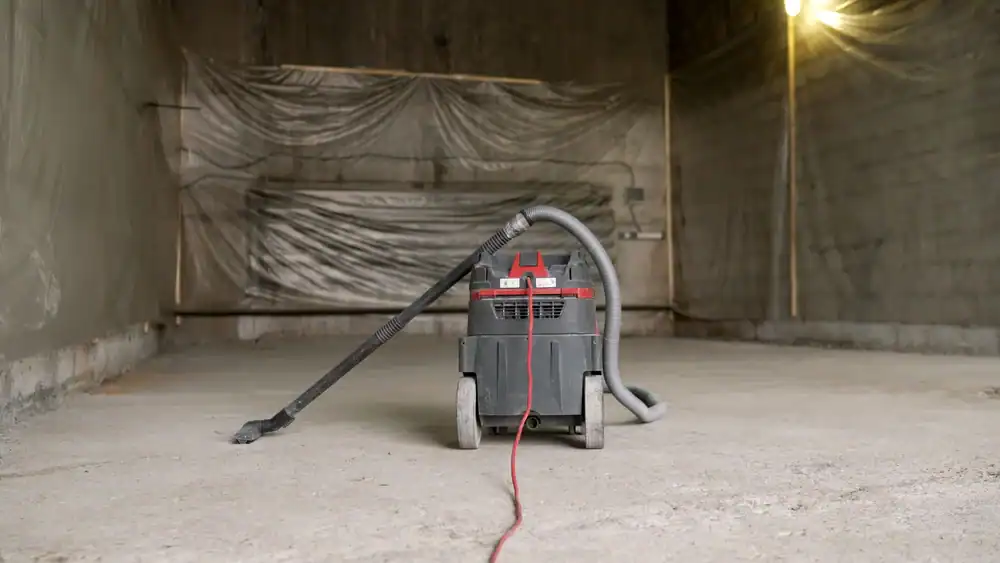
We stock single-motor and dual-motor HEPA vacuum systems designed specifically for construction and industrial applications. These aren’t shop vacs from a hardware store. They’re built to handle the volume, the abrasiveness, and the continuous duty cycle that concrete polish work demands. Electric dust extractors for indoor jobs with reliable power. Large industrial vacuums for high-volume debris removal. Shot blaster vacuums that integrate directly with surface prep equipment.

HEPA Filtration Standard

Every vacuum meets or exceeds OSHA’s 99% efficiency requirement, capturing silica dust and protecting your crew from respiratory hazards on site.

Serviced and Job Ready

Equipment arrives fully inspected and maintained, so you’re not troubleshooting breakdowns when you’ve got a deadline and a dusty concrete slab.

Electric and Diesel Options

Choose quieter electric models for sites with power access, or diesel units that keep running on remote jobs without electrical hookups.

Tool & Machinery Rental Services Florida

Full Range of Equipment for Every Phase
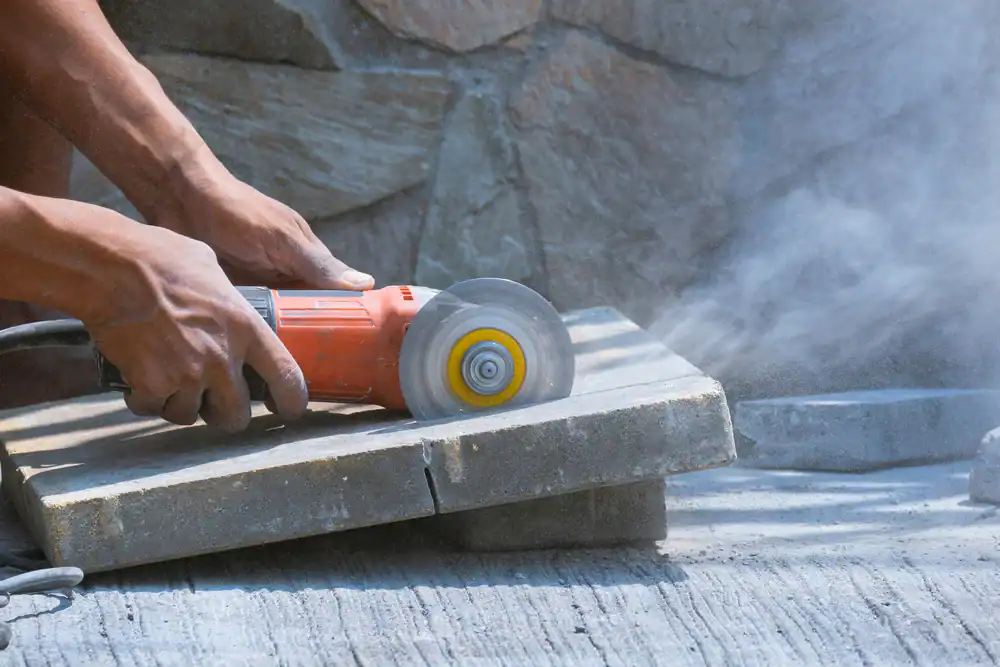
Construction Dust Control St. Lucie County

What You Get Beyond Just Renting Equipment

The real value isn't the vacuum itself—it's finishing jobs faster, keeping crews healthier, avoiding fines, and not sinking capital into equipment that sits idle between projects.

You stop worrying about OSHA inspectors showing up, because your dust control actually meets the crystalline silica exposure standards.
One person with the right vacuum does the cleanup work that used to take three workers with shovels and wheelbarrows.
Your job sites look cleaner and more professional, which matters when general contractors or property owners walk through mid-project.
You avoid tying up cash in equipment purchases, plus the ongoing costs of maintenance, repairs, and finding storage space.
Workers aren’t breathing in concrete dust all day, which means fewer health complaints and lower long-term liability exposure for your company.
You can scale your dust collection capacity up or down based on the specific job, instead of making do with whatever you own.

Shot Blaster Vacuum Rental Florida

Why CFM and Filtration Actually Matter

When you’re matching a vacuum to a shot blaster, grinder, or scarifier, the CFM rating tells you whether the vacuum can actually keep up with the dust being generated. Too low, and you’re just moving dust around instead of capturing it. The airflow measured in cubic feet per minute determines how effectively the system draws and collects particles. Higher CFM means better capacity for fine powders and dust. Large industrial vacuums typically run 400-500+ CFM for heavy-duty applications.

HEPA filtration is where OSHA compliance happens. Standard construction vacuums need 99% efficiency minimum. HEPA systems hit 99.97% or higher, trapping particles down to 0.3 microns. That’s the level that protects workers from respirable crystalline silica, the stuff that causes silicosis and lung disease. When you’re cutting, grinding, or blasting concrete in enclosed spaces or on Florida job sites where dust doesn’t just blow away, that filtration difference matters.

Electric Dust Extractors St. Lucie FL

Electric vs Diesel and When Each Makes Sense

Electric dust extractors run quieter, which matters on indoor jobs, multi-tenant buildings, or anywhere noise complaints will shut you down. They’re ideal when you’ve got reliable power on site and don’t want to deal with fuel, emissions, or the maintenance that comes with diesel engines. For warehouse floors, retail spaces, or municipal buildings in Orange County, electric is usually the smarter call. Single-motor models handle most handheld tools and smaller grinders, while dual-motor HEPA vacuum units provide the extra suction for larger equipment.

Diesel-powered large industrial vacuums are for remote sites, outdoor work, or jobs where electrical infrastructure isn’t available or adequate. They provide the portability to move around large sites without worrying about cord length or finding outlets. Bridge work like the projects happening on Port St. Lucie Boulevard, road construction, or large concrete pads where you’re far from power sources—that’s where diesel units earn their keep.

Frequently Asked Questions

We're here to provide clear and helpful answers

Explore our FAQs to learn more about our process, pricing, and how we ensure quality, transparency, and client satisfaction at every stage.
Single-motor HEPA vacuums work well for smaller grinders, handheld tools, and light to medium surface prep applications. They typically offer 200-300 CFM of airflow, which is adequate for jobs where you’re not generating massive amounts of dust continuously. Dual-motor systems step up to 400-500+ CFM and are designed for larger floor grinders, ride-on equipment, or shot blasters that produce high volumes of debris. The extra motor provides more suction power and longer continuous duty cycles without losing performance. If you’re running an 8-inch or larger shot blaster, or working on commercial floors where you need to keep moving without stopping to empty the vacuum constantly, dual-motor makes sense. For residential garage floors, small concrete repairs, or edge work with handheld equipment, single-motor gets the job done at a lower rental cost.
Yes, when used properly according to OSHA Table 1 specifications. The regulation requires dust collection systems with 99% or greater filtration efficiency, and HEPA vacuums exceed that at 99.97% efficiency for particles down to 0.3 microns. That’s the level needed to capture respirable crystalline silica, which is the health hazard OSHA’s targeting. The key is matching the vacuum’s CFM rating to your tool manufacturer’s recommendations and maintaining the equipment correctly—changing filters when needed, checking hoses for leaks, and following the operational guidelines. OSHA compliance isn’t just about having a vacuum on site; it’s about using one with adequate airflow and filtration for the specific task you’re performing. For tasks like concrete grinding, shot blasting, or scarifying listed in OSHA’s Table 1, using a properly rated HEPA vacuum as specified puts you in compliance without needing separate exposure monitoring.
Usually yes, but it depends on the CFM requirements of each tool. Shot blasters and grinders both generate significant dust, but they may have different airflow demands from the manufacturer. Check the specs on both pieces of equipment—most will list a recommended CFM range for the dust collector. If both tools fall within the vacuum’s CFM capacity, you can use the same unit. The challenge is often the hose connection sizes and adapters. Shot blasters typically use 2-inch or larger diameter hoses, while some grinders might use 1.5-inch connections. We can help you figure out if you need adapters or if one vacuum truly handles both applications effectively. The benefit of using one vacuum for multiple tools is obvious—lower rental costs and less equipment to transport. Just make sure you’re not undersizing the vacuum and losing effectiveness on the higher-demand tool.
It varies based on the vacuum’s drum capacity and how aggressive your surface prep is. Most industrial vacuums have 9 to 55-gallon collection capacities. If you’re shot blasting a heavily coated floor or grinding down a lot of material, you might fill a smaller drum every few hours. Larger capacity units can run most of a day before needing to be emptied, which keeps you working instead of stopping for maintenance. The type of material also matters—fine dust compacts differently than chunky debris. One practical approach is to check the drum periodically during your first hour of work to get a sense of the fill rate for that specific job. Most vacuums have indicators or windows that show fill levels. Overfilling reduces suction power and can damage filters, so it’s worth staying ahead of it. If you’re doing a multi-day project and constantly emptying a small vacuum, upgrading to a larger capacity unit for the remaining days usually pays off in productivity.
First step is checking the basics—is the drum full, are the filters clogged, is there a blockage in the hose? Most “breakdowns” are actually maintenance issues that take a few minutes to resolve. If you’ve checked those and the vacuum still isn’t performing, contact us immediately. We’ll troubleshoot over the phone first, which solves a lot of issues quickly. If it’s an actual equipment failure, we’ll get you a replacement unit as fast as possible so your job doesn’t sit idle. That’s one of the main reasons to rent from a local provider in Florida instead of hauling equipment from out of state—when something goes wrong, we can actually respond. Equipment does occasionally fail, but having backup units available and responsive support is what separates a rental that works from one that costs you a day of lost productivity. Our equipment is inspected before it goes out, but construction environments are tough on gear, so having a plan for support matters.
We walk you through the basic operation when you pick up or receive delivery—how to connect hoses, start the unit, adjust suction if applicable, empty the drum, and check filters. These aren’t complicated machines, but there are best practices that help you get better performance and avoid issues. For example, understanding when to use the filter-cleaning mechanism on models that have it, or knowing the difference between wet and dry operation modes. If you’re pairing the vacuum with a specific tool like a shot blaster or grinder for the first time, we can discuss the proper connection and settings. Most experienced contractors are familiar with industrial vacuums and just need to know the specifics of the particular model. If you’re newer to dust extraction equipment or OSHA compliance requirements, we’re happy to spend extra time making sure you understand how to use it correctly. Proper operation protects your crew, keeps you compliant, and prevents equipment damage that could result in additional charges.
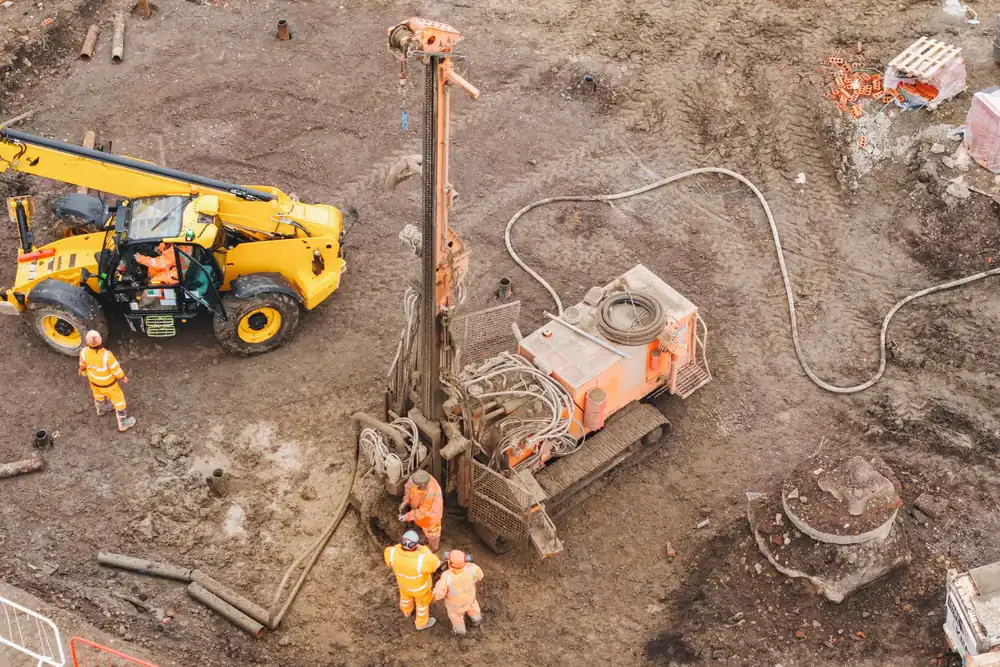
Aerial view of three construction workers in orange safety gear operating heavy drilling machinery—available through equipment rental St. Lucie & Orange County, FL—on a muddy site, with a yellow vehicle parked nearby.