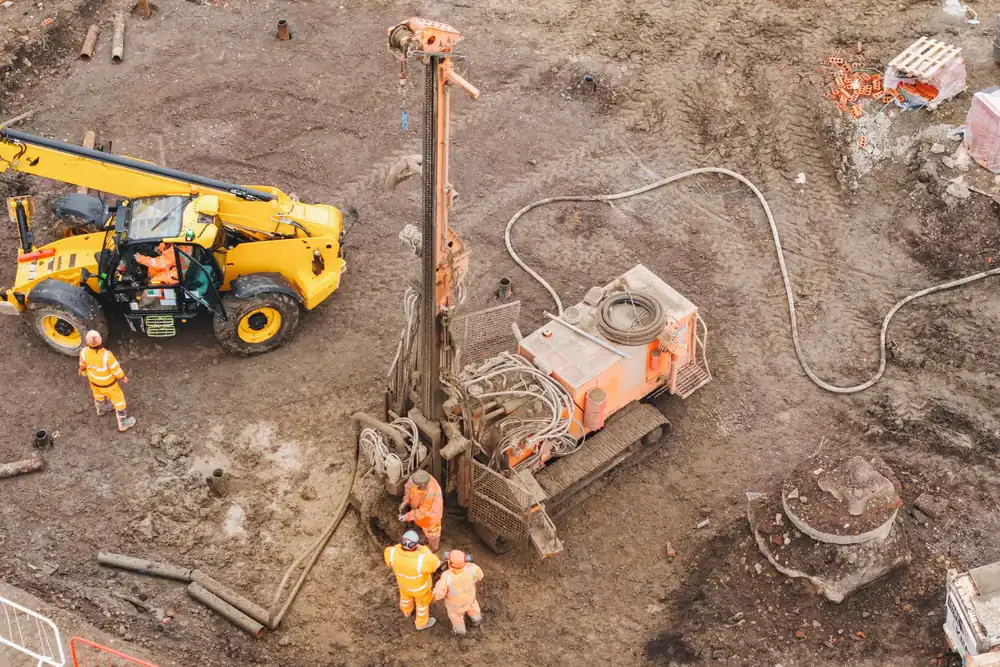
Equipment That Matches Your Jobsite Reality
Concrete polishing jobs don’t all look the same. Some sites have three-phase power and HVAC systems running. Others are open slabs with no electrical hookup for another month. Some are 800 square feet. Others are 40,000.
That’s why we stock both electric and propane concrete polishers in multiple sizes. A 20-inch electric polisher makes sense for residential bathroom floors or tight commercial spaces. A 32-inch propane unit handles warehouse floors where you’re covering serious square footage and power access is hit or miss.
You know what your job needs. We make sure you can get it without buying a $15,000 machine that sits in your shop eleven months a year.
Full Range of Equipment for Every Phase
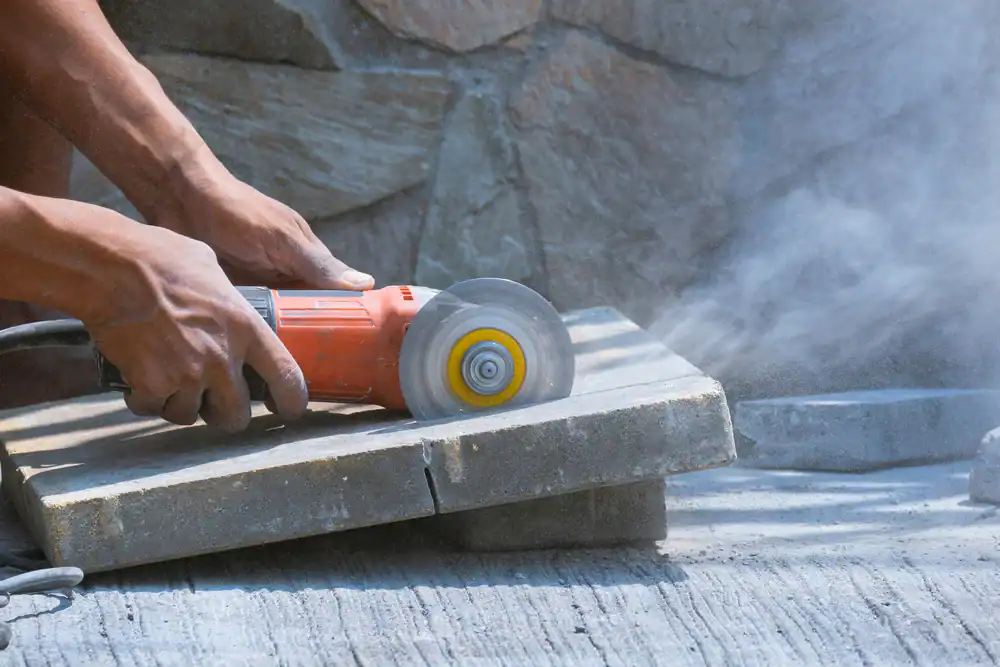
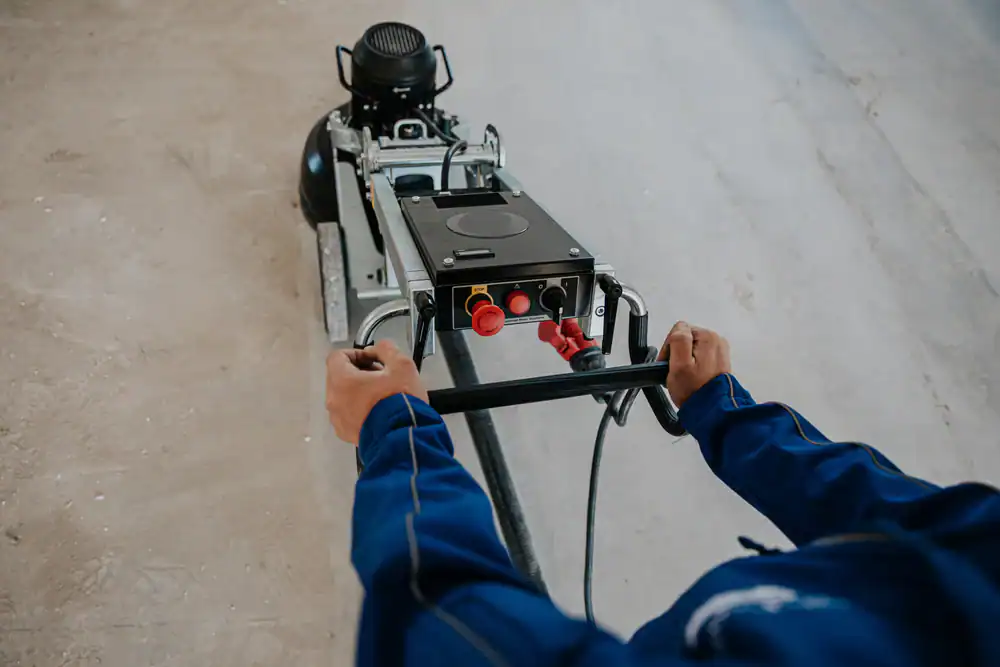
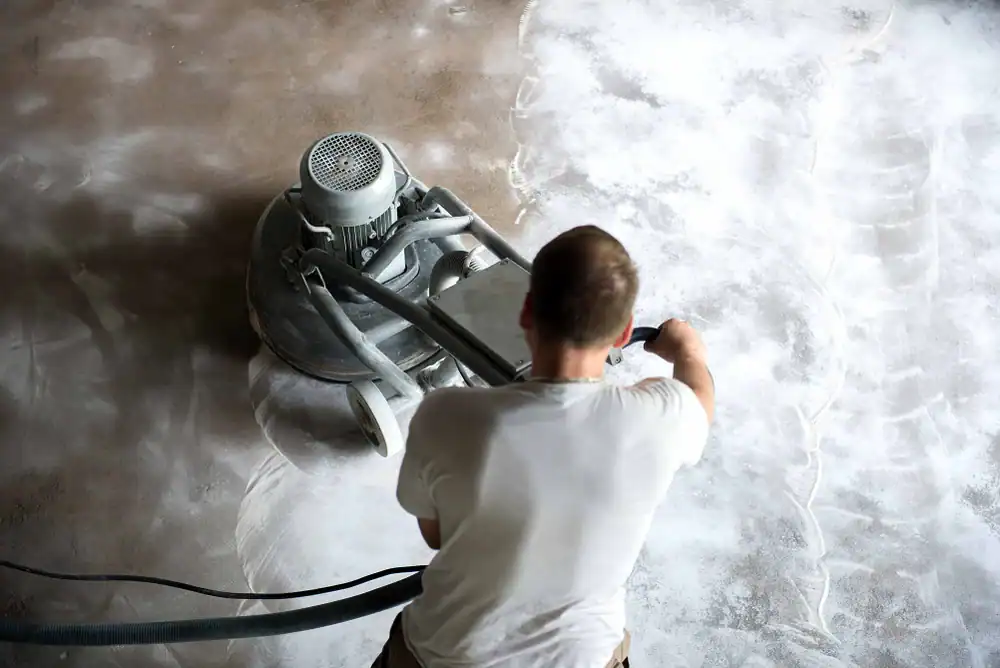
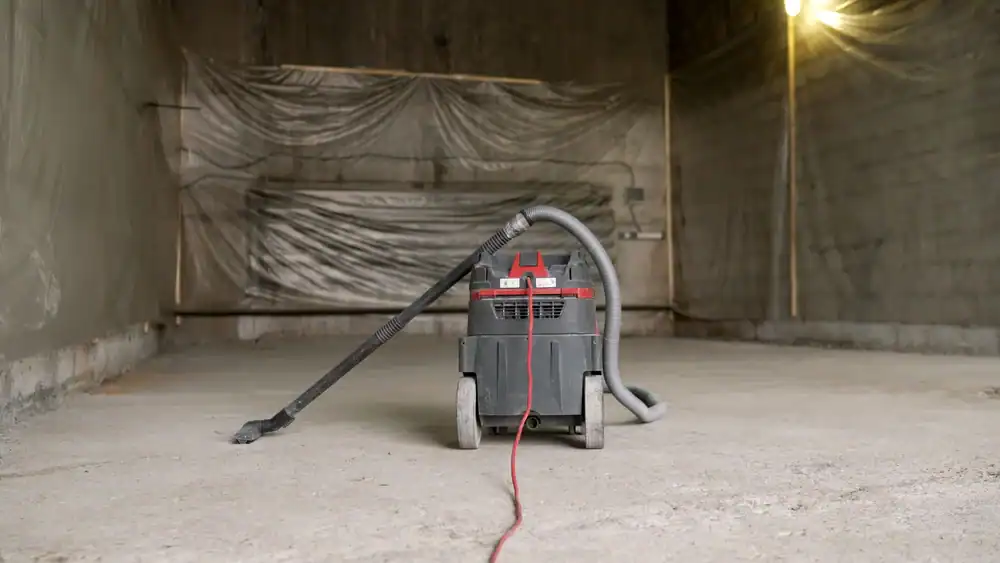
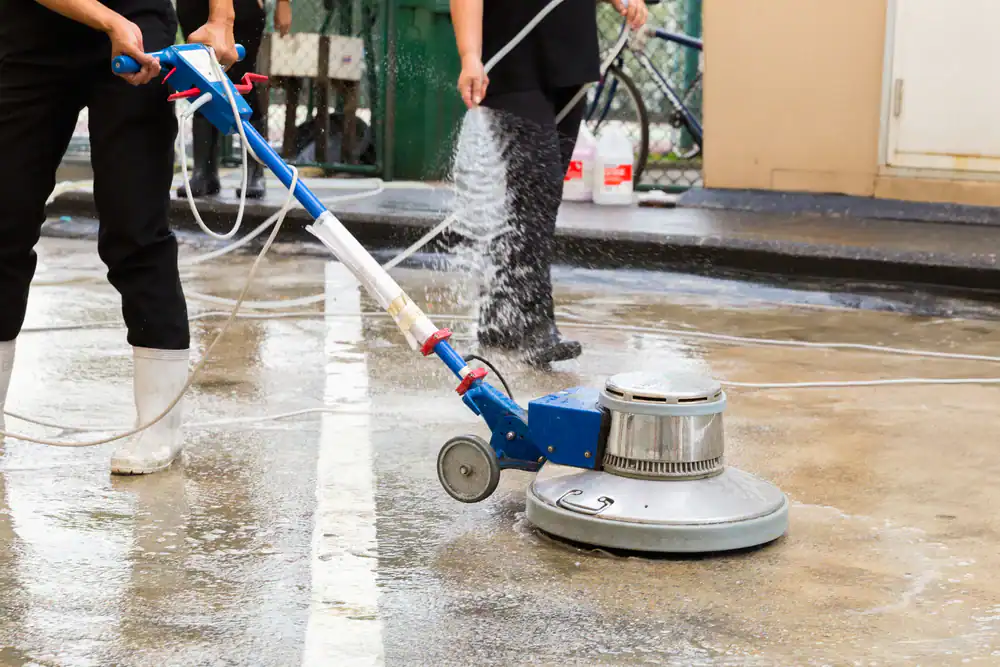
What You Actually Get From the Right Equipment
The difference between finishing on schedule with margin intact and eating costs because your equipment couldn't keep up with the job.
Power Source Matters More Than You Think
Electric concrete polishers work great when you have the right power and you’re working indoors. They’re quieter, produce no exhaust, and you can use them in occupied spaces without ventilation concerns. Most run on 220-240V single-phase power, though larger commercial units might need three-phase.
Propane concrete polishers eliminate the power question entirely. No cords. No hunting for the right outlet or waiting on an electrician to wire a panel. You show up, fuel up, and start grinding. They work anywhere with adequate ventilation—outdoor slabs, parking structures, warehouses during construction phases.
Size Directly Affects Your Labor Costs
A 20-inch electric polisher is built for residential jobs, small commercial spaces, and anywhere you need maneuverability more than raw coverage speed. Bathrooms, kitchens, retail fitting rooms, tight hallways. You’re trading speed for access. Production rate runs around 400-500 square feet per hour with an experienced operator.
A 25-inch polisher sits in the middle. Still maneuverable enough for most doorways and moderate spaces, but with better coverage than the 20-inch models. Good for small-to-mid-size commercial jobs—offices, restaurants, boutique retail.
30-inch and 32-inch concrete polishers are where you go for serious square footage. Warehouses, distribution centers, big-box retail, parking structures, large commercial lobbies. These machines cover ground fast—some hit 500+ square feet per hour—but they need space to operate and they’re heavier.
Using a 20-inch polisher on a 10,000 square foot warehouse floor is a math problem that ends with blown labor budgets. Using a 32-inch machine in a 600 square foot residential space means you’re fighting the equipment the whole time. The right size isn’t about what’s available. It’s about what actually makes sense for the square footage and layout you’re working with.
We're here to provide clear and helpful answers
Explore our FAQs to learn more about our process, pricing, and how we ensure quality, transparency, and client satisfaction at every stage.