Orange County, FL construction is evolving fast. These five equipment rental trends will define how contractors manage fleets, control costs, and stay competitive in 2026.
You used to rent a machine, use it, return it. That was the transaction. Now, the equipment itself is sending data back to both you and the rental company in real time.
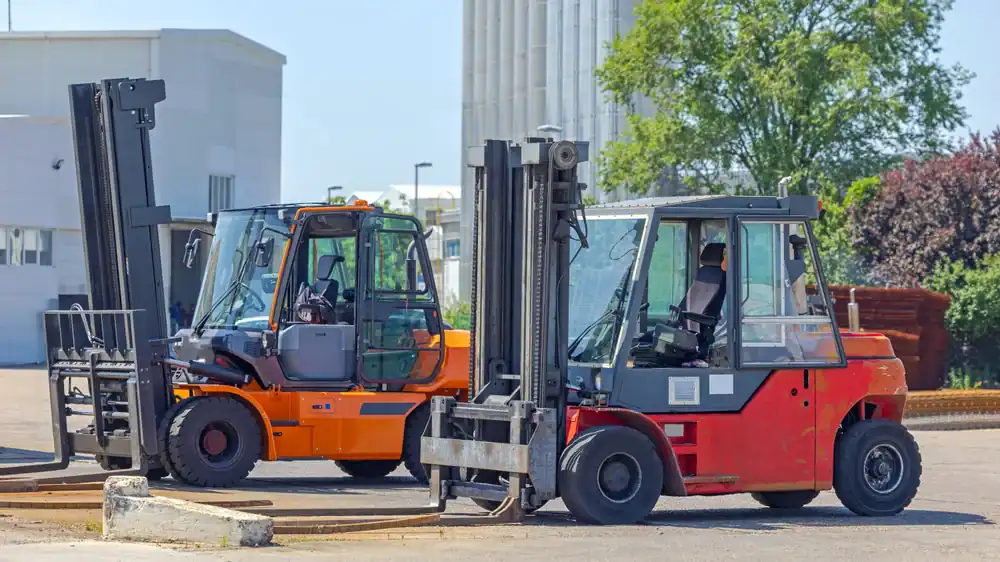
Telematics isn’t new, but the way it’s being used in rental fleets has shifted. You’re not just tracking location anymore. You’re seeing idle time, fuel consumption, fault codes, and utilization rates on excavators, skid steers, forklifts, and every other piece of construction equipment in your rented fleet. All accessible from your phone or laptop.
For contractors in Orange County, FL, this changes the math. You can identify which machines are sitting unused and return them early. You can catch maintenance issues before they turn into breakdowns that halt your project. And if you’re managing multiple job sites across Central Florida, you finally have visibility into where every piece of equipment actually is.
The value isn’t in the technology itself. It’s in what you do with the information.
Telematics platforms track engine hours, which means you know exactly how much a machine has been used versus how much you’ve paid for it. If you’re renting a skid steer for two weeks but the data shows it only ran for 30 hours total, that’s a conversation worth having with your project manager. Maybe you don’t need it for the full rental period. Maybe it’s being shared inefficiently across crews.
Idle time is another metric that matters. Equipment sitting idle still costs you money, but it’s also burning fuel and racking up hours without productive output. Telematics can flag patterns—like a boom lift that’s consistently idle during certain shifts—so you can adjust deployment or return it early. That’s money back in your budget.
Fault codes and diagnostics are where telematics prevent real problems. Instead of a machine breaking down mid-job and creating a two-day delay while you wait for a replacement, the system alerts you to developing issues. You can schedule a swap proactively, on your terms, without the panic and the schedule hit.
Some rental companies are now offering dashboards that integrate all of this data in one place. You log in and see your entire rented fleet—location, status, utilization, upcoming maintenance. It’s not flashy, but it’s practical. And for contractors managing tight schedules and tighter budgets in St. Lucie County, FL, that visibility translates directly into better decisions.
The other side of this is accountability. When you can see exactly how construction equipment is being used, it’s easier to have productive conversations with your team about efficiency. Are machines being moved between sites unnecessarily? Is one crew consistently underutilizing equipment while another is scrambling for availability? The data doesn’t lie, and it gives you a starting point for improvement.
Rental services with telematics also reduce the guesswork around maintenance scheduling. You’re not wondering if a machine is due for service—you know. That predictability keeps projects on track and eliminates the surprise downtime that kills productivity.
Rental companies benefit from telematics too, and that matters for you as the customer.
When we track our fleet in real time, we know which machines are due for maintenance before we send them to your site. That means you’re less likely to receive equipment that’s on the verge of failure. It also means we can manage our own inventory more efficiently, which improves availability when you need something on short notice.
Some companies use telematics to automate billing. Instead of flat daily or weekly rates, you’re charged based on actual usage—engine hours or operational time. This can work in your favor if a machine sits idle for part of the rental period. You’re paying for what you use, not what you reserved.
Telematics also helps with theft and security. Construction sites in Orange County, FL aren’t always secure, and equipment theft is a real issue. GPS tracking means a stolen excavator or forklift can be located quickly, and some systems include geofencing alerts that notify the rental company if equipment leaves a designated area. That’s one less thing you have to worry about.
The bigger picture is that telematics shifts the rental relationship from transactional to collaborative. You and the rental company both have access to the same data. You’re working from the same set of facts. That reduces friction, speeds up problem-solving, and makes it easier to optimize your fleet strategy over time.
If you’re choosing between rental providers, ask about their telematics capabilities. Not all systems are equal. Some are clunky and difficult to navigate. Others integrate seamlessly with your existing project management tools. The difference matters, especially if you’re renting construction equipment regularly.
Want live answers?
Connect with a Tool Rental and Heavy Equipment LLC expert for fast, friendly support.
Calling a rental yard, waiting on hold, checking availability, negotiating rates, arranging delivery—that process used to eat up hours. Now, more rental companies are moving that entire workflow online.
Digital platforms let you browse available equipment, check real-time availability, compare rates, and book everything without picking up the phone. Some platforms even handle delivery scheduling, insurance documentation, and contract signing digitally. It’s faster, and it gives you more control over the process.
For contractors juggling multiple projects across Orange County, FL and St. Lucie County, FL, this is a practical shift. You can check availability at 10 p.m. when you’re planning the next day’s work. You can compare equipment options side by side. And if you need to extend a rental or swap a machine, you can do it from your phone instead of waiting for business hours.
One of the biggest frustrations in equipment rental used to be uncertainty. You’d call a yard, ask if they had a specific machine, and get a vague answer. Maybe it’s available. Maybe it’s coming back from another job. Maybe it needs maintenance first. You’d end up calling three more places just to confirm what was actually available.
Digital platforms solve that by showing real-time inventory. If a scissor lift is listed as available, it’s available. If it’s out, you see the return date. That transparency eliminates wasted time and lets you plan with confidence.
Pricing transparency is another benefit. Traditional rental pricing could feel opaque—rates varied depending on who you talked to, how long you negotiated, or whether you had an existing relationship. Online platforms tend to standardize pricing, at least as a starting point. You see the daily, weekly, and monthly rates upfront for excavators, forklifts, skid steers, and other machinery. If there are delivery fees or damage waiver costs, those are disclosed before you book.
Some platforms also offer dynamic pricing based on demand, similar to how airlines adjust ticket prices. If you’re flexible on timing, you might find better rates during slower periods. If you need equipment immediately, you’ll know what the premium is before you commit.
The other advantage is documentation. Everything is digital—contracts, invoices, delivery receipts, return confirmations. You’re not digging through filing cabinets or email threads trying to find a signed agreement. It’s all stored in one place, accessible whenever you need it.
For repeat customers, digital platforms often save your preferences and project details. You can replicate a previous order with a few clicks instead of starting from scratch each time. That’s a small thing, but it adds up when you’re renting equipment regularly for construction projects in Central Florida.
Not all platforms are built the same. Some are genuinely useful. Others are just a clunky layer on top of an old-school rental process.
Start with usability. If the platform is confusing or slow, it’s not saving you time. You should be able to search for equipment by type, filter by availability and location, and complete a booking in a few minutes. If it takes longer than a phone call would have, the platform isn’t doing its job.
Mobile functionality matters. You’re not always at a desk. A platform that works well on a phone or tablet lets you make decisions from the job site, which is where most of your day happens. Check whether the mobile experience is actually functional or just a scaled-down version of the desktop site that’s hard to navigate.
Integration is another consideration. If you’re using project management software or accounting tools, does the rental platform connect with those systems? Some platforms offer API integrations or direct connections to tools like Procore, QuickBooks, or Sage. That reduces double data entry and keeps your project records accurate.
Customer support still matters, even with a digital platform. If something goes wrong—an equipment issue, a billing question, a delivery delay—you need to reach a real person quickly. Look for platforms that offer live chat or responsive support, not just email tickets that take 24 hours to get a response.
Finally, consider the rental company’s fleet size and geographic coverage. A great platform doesn’t help if the company doesn’t have the construction equipment you need or can’t deliver to your job sites in Orange County, FL or St. Lucie County, FL. Make sure the digital experience is backed by actual operational capability in your area.
The traditional rental model was rigid. Daily rate, weekly rate, monthly rate. Pick one. But projects don’t always fit into neat time blocks, and contractors were paying for equipment they didn’t need or scrambling to extend rentals at the last minute.
Now, rental services are offering more flexible contract terms. Some let you pause rentals during weather delays or permit hold-ups. Others offer subscription models where you pay a flat monthly fee for access to a pool of equipment, swapping machines in and out as project needs change.
This flexibility matters when you’re dealing with the unpredictability of construction schedules. A two-week rental that turns into three weeks because of rain shouldn’t come with penalty rates. And if a project wraps up early, you shouldn’t be locked into paying for equipment you’re not using.
Summary:
Article details:
Share: