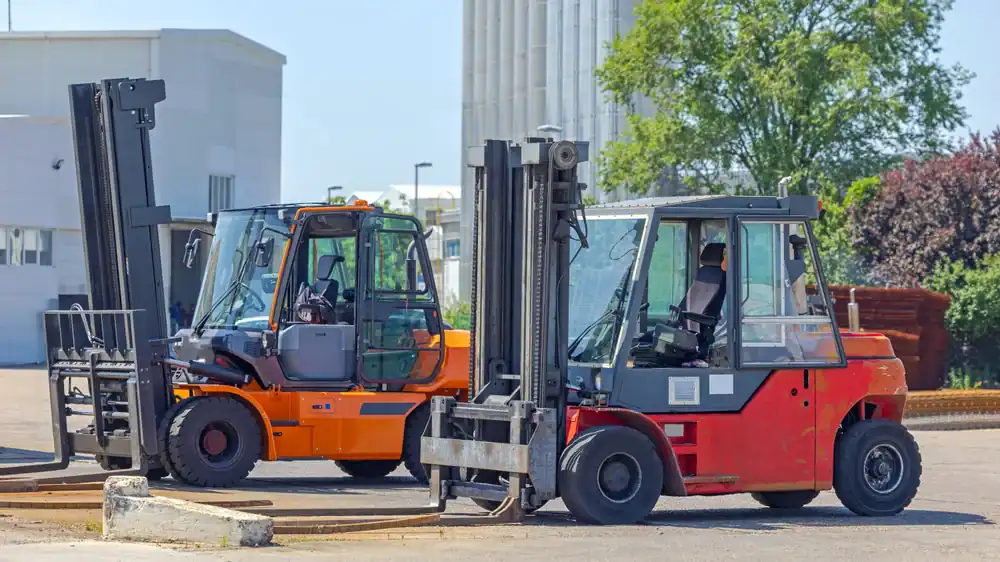
The difference between a cracked concrete mess and a driveway you're proud of comes down to having the right rented equipment at the right time.
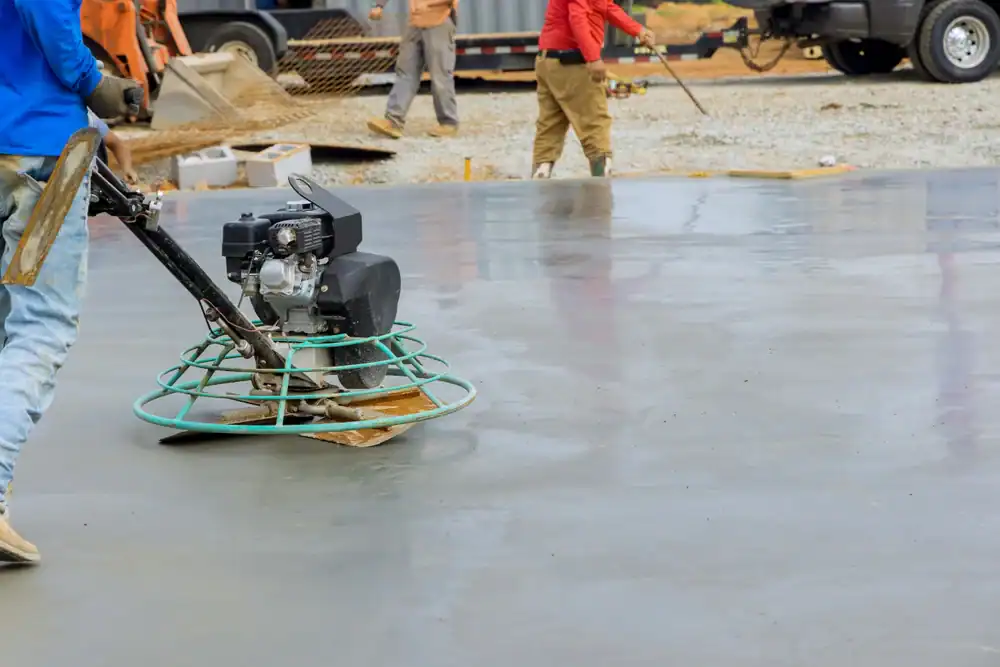
If you’re planning to pour concrete yourself, the tool list is longer than most people expect. And it’s not just about having a shovel and a wheelbarrow.
Concrete work requires special equipment that most homeowners don’t own and won’t use again for years. That’s where tool rental becomes the smartest move. You get professional-grade tools without the storage problems or the upfront investment.
The essentials break down into three categories: site prep, pouring and leveling, and finishing. Miss one category, and the whole project suffers. Site prep equipment like plate compactors and mini excavators guarantees your base won’t settle and crack your slab six months later. Pouring tools like screeds and bull floats give you a level surface before the concrete starts to set. Finishing tools like trowels, edgers, and groovers create that smooth, durable surface that lasts.

Before a single yard of concrete gets poured, your base needs to be rock solid. Literally. A poorly compacted base is the number one reason driveways crack, settle, or fail within the first few years.
Plate compactors are non-negotiable for this stage. These machines vibrate and press down on gravel or soil, creating a dense, stable foundation that won’t shift under the weight of your concrete. Trying to skip this step or do it by hand is a gamble you’ll regret. The compactor makes sure your base is firm and level, which prevents future cracking and keeps your driveway from turning into a wavy mess.
Most DIYers don’t own a plate compactor. And frankly, you don’t need to. Equipment rental for a day or two gets the job done without the expense or the garage clutter. These machines are heavy, loud, and purpose-built. You use them, you return them, and your base is ready to support decades of traffic.
In St. Lucie County, FL and Orange County, FL, this step is even more critical. Between afternoon thunderstorms and saturated soil, water drainage becomes a major factor. A well-compacted base with proper gravel layering helps water move away from your slab instead of pooling underneath it. That’s the difference between a driveway that lasts and one that starts cracking after the first rainy season.
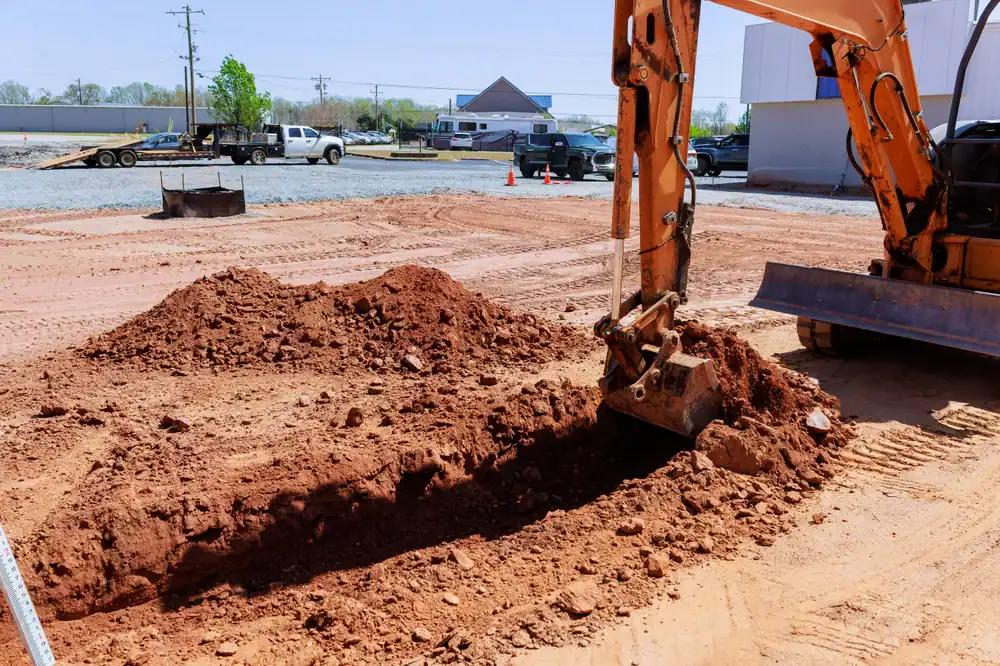
If you’re removing an old driveway or need to excavate for proper depth, a mini excavator rental makes quick work of what would take days by hand. These compact machines can dig trenches, remove old concrete, and grade your site with precision. For Florida projects where the water table runs high, a mini excavator helps you manage drainage issues before they become problems. We stock various sizes, so you can match the machine to your project scope without paying for more than you need.
Don’t forget about grading tools either. A laser level or transit level makes sure your driveway has the right slope for drainage. In Florida, where heavy rain is a given, you need at least a 2% slope to keep water from standing on your driveway. Renting a laser level takes the guesswork out of this step and saves you from eyeballing it and getting it wrong.
Once your base is ready, the real work begins. And this is where most DIY projects either shine or fall apart.
If you’re mixing your own concrete, you’ll need a concrete mixer. Hand-mixing is possible for very small projects, but for anything larger than a walkway, it’s a nightmare. You won’t be able to mix batches fast enough to keep up with the pour, and the consistency will vary from batch to batch. That inconsistency shows up in the finished product as weak spots, color variations, and uneven curing. Renting a concrete mixer gives you speed and consistency, which are both critical when you’re working against the clock.
For most driveway projects, though, ordering ready-mix concrete from a truck is the smarter move. The concrete arrives mixed to the right strength and consistency, and you can focus on placement and finishing instead of scrambling to mix another batch. But even with ready-mix, you still need the right tools to move it, spread it, and level it.
Wheelbarrows are essential for moving concrete from the truck to hard-to-reach spots. Shovels and concrete rakes help you spread it evenly within your forms. And here’s where people mess up: they overwork the concrete. Dragging it too far or spreading it too thin brings water to the surface and weakens the slab. Keep your movements efficient and purposeful.
Screeds are what you use to level off the top of the concrete after it’s been poured. A screed is just a straight board—usually a 2×4—that you drag across the top of your forms in a sawing motion. It knocks down high spots and fills in low spots, giving you a flat, even surface to work with. This step has to happen quickly, before the concrete starts to set, so having a helper here makes a huge difference.
After screeding, you move to the bull float. This tool smooths out any ridges left by the screed and embeds the aggregate into the surface. It’s especially important for large slabs, and it’s one of those tools that separates amateur work from professional results. A bull float guarantees your surface is smooth and ready for final finishing. We stock both manual and powered versions, and the difference it makes is massive.
Concrete vibrators are another rental tool that pays off. These remove air pockets and excess water from the concrete, which increases its density and strength. Vibrators are especially useful around edges, corners, and rebar, where air bubbles tend to get trapped. Skipping this step can leave voids in your slab that weaken it over time. A handheld or backpack concrete vibrator is easy to rent and easy to use, and it’s one of those tools that prevents problems you won’t see until it’s too late.
Want live answers?
Connect with a Tool Rental and Heavy Equipment LLC expert for fast, friendly support.
Concrete is unforgiving. Once it’s poured, you can’t take it back. And the mistakes people make are usually the same ones, over and over.
The biggest mistake is not having all your tools and materials ready before the truck shows up. Concrete doesn’t wait. If you’re scrambling to find a tool or mixing another batch while the first one is setting, you’ve already lost. Renting your equipment ahead of time and doing a dry run of your process eliminates that chaos.
Another common mistake is working the concrete while there’s still bleed water on the surface. That water needs to evaporate before you start finishing. If you trowel or float too early, you’re sealing that water into the surface, which leads to a weak, flaky finish that won’t hold up. Patience here is everything.
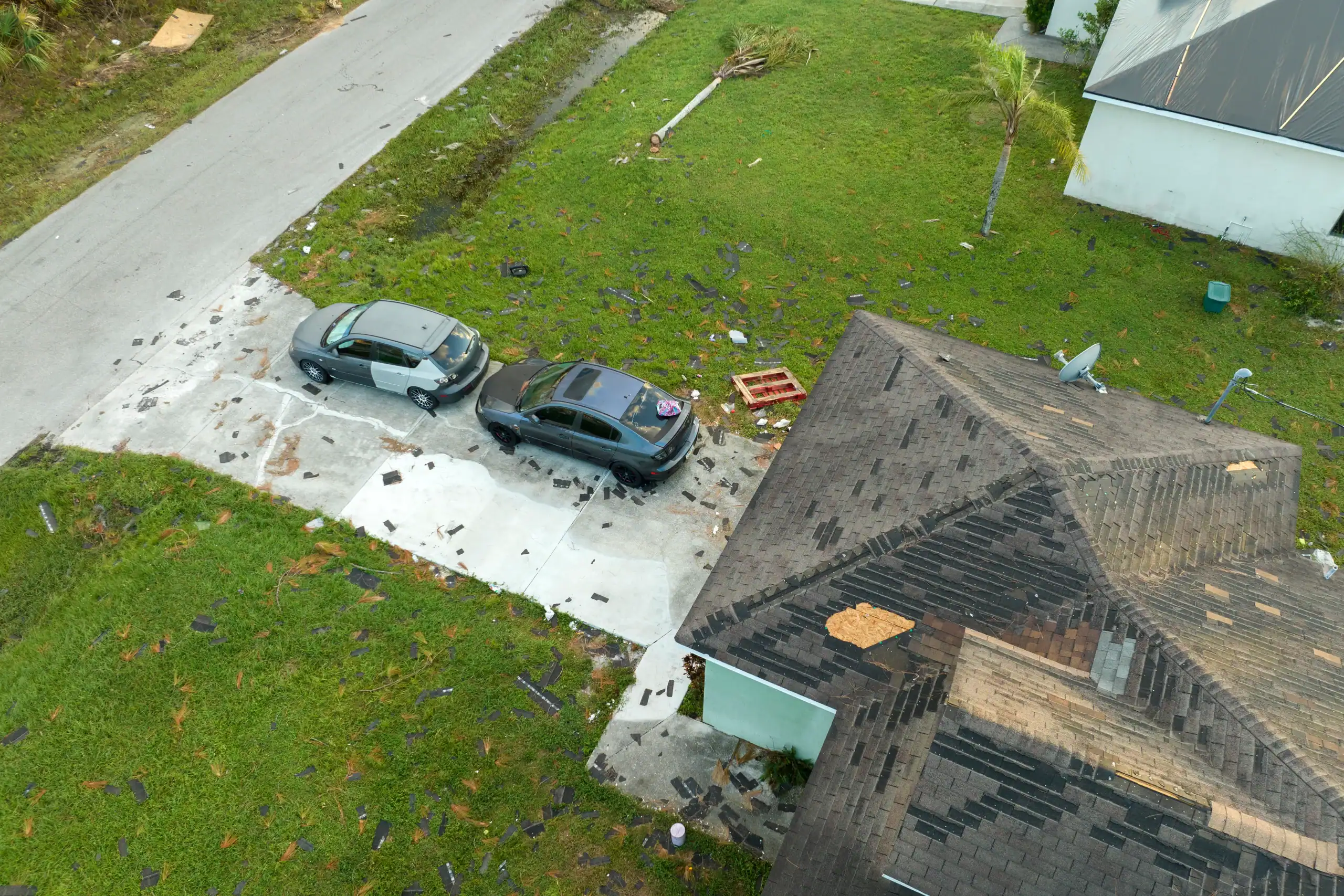
Finishing is where your driveway goes from functional to professional. And it’s also where most DIYers realize they’re in over their heads.
Magnesium or aluminum trowels are used for the final smoothing. These lightweight trowels glide over the surface and close up the pores, giving you that smooth, polished look. But here’s the trick: you can’t rush it. The concrete has to be firm enough to support your weight but soft enough to work. That window is narrow, and if you miss it, you’re stuck with whatever you’ve got.
Edgers create rounded edges along the perimeter of your slab. This isn’t just for looks—rounded edges resist chipping and prevent tripping hazards. Running an edger along the forms after floating gives your driveway a clean, finished appearance and adds durability where it’s needed most.
Groovers cut control joints into the surface. These joints control where the concrete cracks as it cures and settles. Without them, your driveway will crack randomly, and those cracks will widen over time. Control joints should be cut to about one-quarter of the slab’s thickness, and they should be spaced no more than 30 times the thickness of the slab. For a 4-inch slab, that means joints every 10 feet or so.
Concrete finishing brooms give you that textured, non-slip surface that’s essential for driveways, sidewalks, and patios. After the concrete has been troweled smooth, you drag a finishing broom across it to create fine grooves. This adds traction, especially in wet or icy conditions, and it hides minor imperfections in the surface. It’s a simple step, but it makes a big difference in both safety and appearance.
All of these finishing tools are available to rent. Most homeowners will use them once, maybe twice in their lives. Renting gives you access to professional-quality tools without the cost or the clutter. And if you need to cut expansion joints after the concrete has cured, a concrete saw rental handles that job cleanly and safely.
Florida weather makes equipment rental even more valuable. Between the heat, the humidity, and the afternoon storms, concrete work here has its own set of challenges.
Renting lets you adapt to changing conditions without committing to equipment you might not need next month. Maybe you need a concrete saw to cut expansion joints after the pour. Maybe you need a pressure washer to clean up your tools and forms. Maybe you need a generator to power your equipment on a remote site. Heavy equipment rental gives you flexibility.
It also gives you access to well-maintained, job-ready equipment. We inspect and service our tools regularly, so you’re not dealing with a broken-down mixer or a dull saw blade in the middle of your project. That reliability matters when you’re working on a tight timeline.
Storage is another factor. Concrete tools are big, heavy, and awkward to store. A plate compactor, a bull float, a concrete mixer—these aren’t things you can tuck into a corner of the garage. Equipment rental eliminates the storage problem entirely. You use the tools for as long as you need them, then return them and reclaim your space.
And let’s talk about cost. Buying all the equipment you need for a concrete driveway could easily run into the thousands. Renting the same equipment for a few days costs a fraction of that. You get the same results without the long-term investment, and you’re not stuck with equipment that depreciates the moment you buy it.
Florida’s rainy season adds another layer of complexity. Waterlogged soil, standing water, and slick surfaces can delay projects and make certain equipment essential. Tool rental gives you the ability to bring in pumps, tarps, or additional compaction equipment as conditions change, without having to own a warehouse full of gear. No matter if you’re working in St. Lucie County, FL or Orange County, FL, we understand these challenges and stock equipment that handles Florida conditions.
For contractors, renting also makes sense from a business perspective. It lets you take on projects without tying up capital in equipment that might sit unused for weeks or months. It gives you access to specialized tools for one-off jobs. And it keeps your overhead low, which means you can stay competitive on pricing without sacrificing quality. From skid steer rentals for site work to concrete finishing equipment for that final polish, renting gives you exactly what you need when you need it.
Pouring a concrete driveway is a big project. It’s not something you want to do twice. And the difference between success and failure often comes down to having the right equipment at the right time.
Renting your tools gives you access to professional-grade equipment without the cost, storage, or maintenance issues. It lets you adapt to Florida’s unpredictable weather. And it gives you the confidence to tackle a challenging project knowing you have the right tools for the job.
If you’re planning a concrete pour in St. Lucie County, FL or Orange County, FL, we can help you get set up with everything you need. The right equipment rental makes all the difference, and getting it right the first time is always cheaper than fixing it later.
Summary:
Article details:
Share: