Storm season demands fast action. Learn which heavy equipment rentals protect your Florida property before hurricanes hit and speed recovery when they pass.
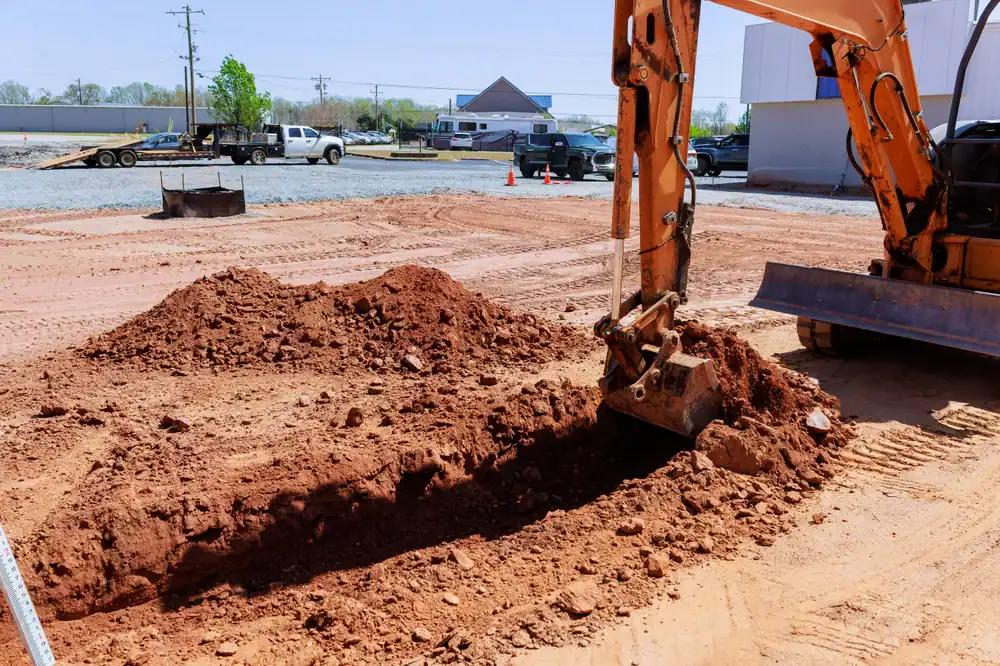
Owning heavy equipment sounds practical until you calculate real costs. A single excavator runs $80,000 to $500,000 depending on size and capabilities. Maintenance, storage, insurance, and depreciation add substantial ongoing expenses for machinery you might use only weeks per year.
Equipment rental flips that equation entirely. You access professional-grade construction equipment exactly when storm preparation demands it, without ownership burdens. For Florida property owners, this timing flexibility matters because hurricane forecasts shift rapidly and your preparation window stays unpredictable.
Rental services also let you match specific machinery to each job phase. Clearing light brush requires different equipment than removing storm-damaged trees or grading flooded land. Rather than making do with whatever you own, rental services provide the right tool for each task—from compact skid steers to powerful excavators with specialized attachments.
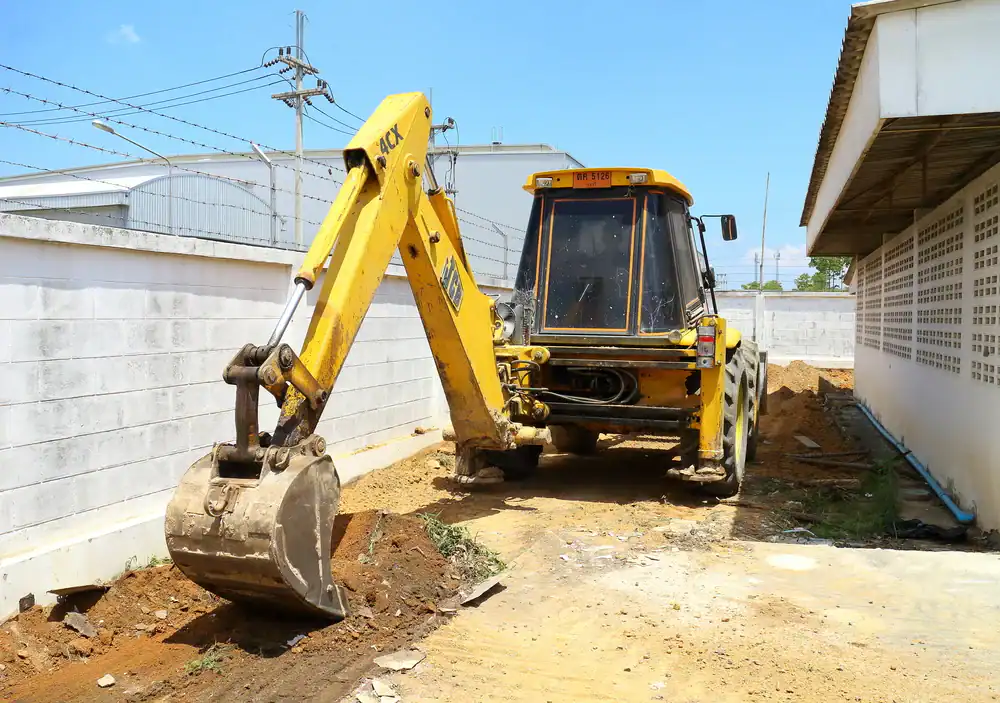
Storm preparation extends beyond boarding windows. The land surrounding your Florida property creates real hazards when hurricanes approach. Dead trees transform into battering rams. Overgrown brush blocks drainage and creates debris hazards. Loose vegetation becomes dangerous projectiles in high winds.
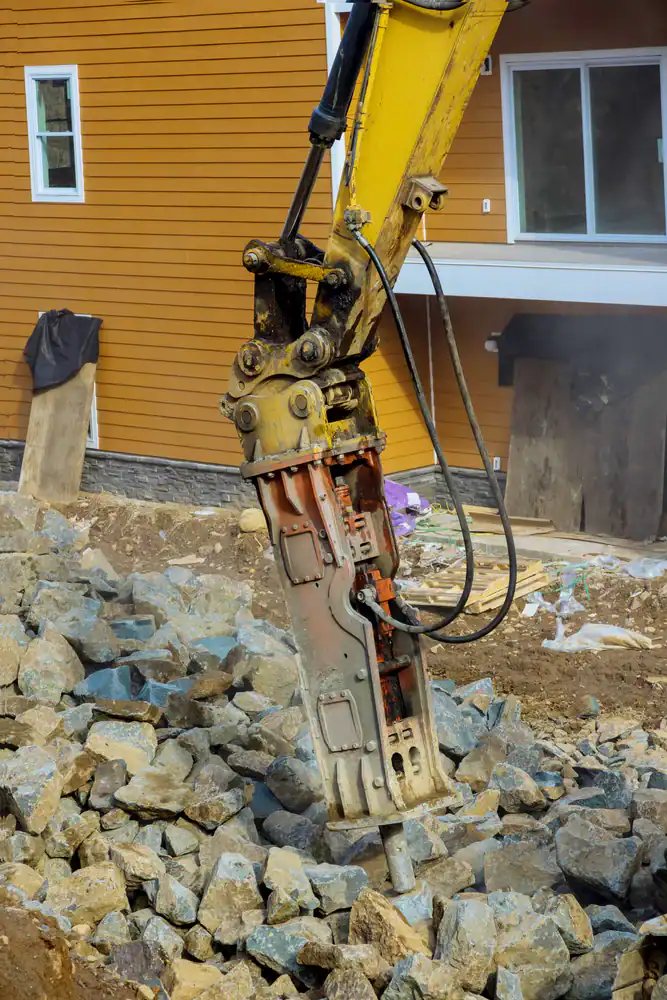
Excavators handle the heavy work your property demands. Mini excavators work perfectly for residential lots and tight spaces in St. Lucie County neighborhoods, letting you dig out stumps, clear root systems, and remove threatening trees. Standard and large excavators tackle commercial properties or extensive land clearing projects. The digging depth and reach matter when you’re creating drainage channels or removing deep-rooted vegetation that destabilizes during flooding.
Skid steers deliver versatility that’s hard to match. These compact machines maneuver through gates, around buildings, and across uneven terrain common in Florida. With proper attachments, one skid steer becomes multiple tools. Mount a brush cutter attachment and you’re clearing thick vegetation. Swap to a grapple and you’re moving logs and debris piles. Switch to a bucket and you’re grading soil or relocating fill material.
Track loaders provide superior stability on soft or muddy ground—conditions you’ll frequently encounter in Florida, especially after the heavy rain that precedes hurricanes. The tracks distribute weight better than wheels, reducing ground pressure and preventing equipment from bogging down when you’re working in saturated conditions.
Specialized attachments multiply your equipment’s capabilities. A forestry mulcher attachment converts a skid steer into a vegetation-clearing machine, grinding trees and brush into mulch in single passes. Grapples grab and move irregularly shaped debris impossible to handle with standard buckets. Root rakes extract stumps and root systems without excessive digging. Stump grinders reduce tree remnants to below-ground wood chips, eliminating trip hazards and allowing proper site restoration.
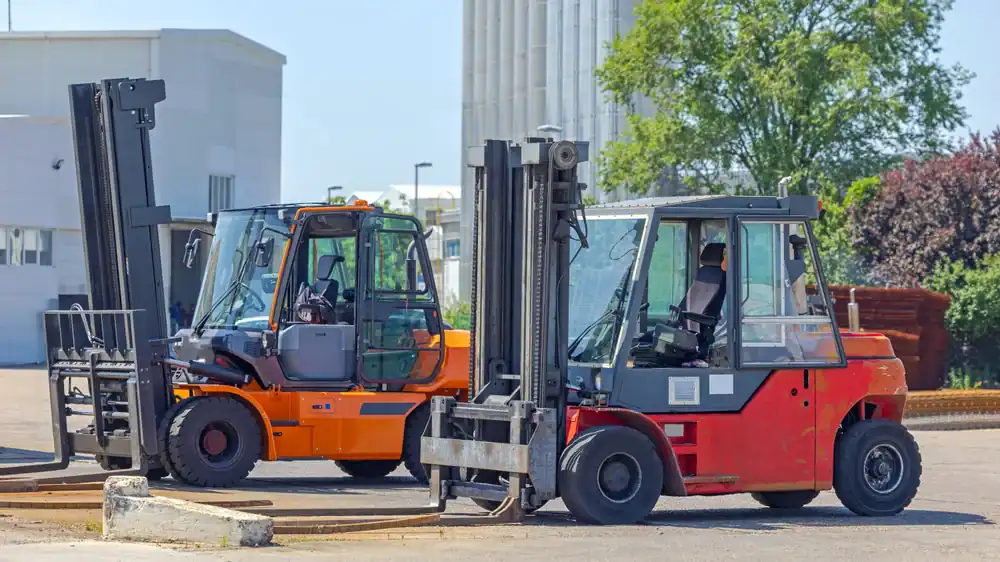
Forklifts serve specific roles in storm preparation, particularly for commercial properties and warehouses in Orange County. Moving palletized materials to elevated storage, relocating inventory away from flood-prone areas, and organizing supplies for rapid deployment after storms all benefit from forklift capabilities. We offer both indoor electric forklifts and rough-terrain models suitable for outdoor storm preparation work.
Matching equipment to your specific property and timeline determines success. A half-acre residential lot with some overgrown areas needs different machinery than a ten-acre commercial property with mature trees. We’re familiar with Florida land clearing and can recommend the right combination of equipment and attachments for your specific preparation requirements.
After storms pass through St. Lucie County or Orange County, the work shifts dramatically. You’re no longer preparing—you’re recovering. The debris field looks different, urgency changes, and equipment needs evolve to match new challenges.
Hurricane debris arrives in chaotic forms. Trees don’t simply fall—they snap, twist, and tangle with power lines, fences, and structures. Roofing materials, siding, and building debris mix with natural vegetation. Standing water creates access challenges. Post-storm cleanup equipment needs to handle this unpredictable mess effectively.
Grapple trucks excel at storm debris removal across Florida. These specialized vehicles combine truck beds with hydraulic arms and claw attachments, letting operators grab, lift, and load debris in single motions. They’re particularly effective for clearing roadways and access routes quickly—critical when emergency services need to reach affected areas in St. Lucie or Orange Counties. The speed advantage proves significant: work requiring hours with manual labor and multiple trips happens in minutes with grapple trucks.
Excavators remain valuable post-storm, though the work shifts from digging to lifting and sorting. You’re pulling fallen trees off structures, separating recyclable materials from trash, and creating organized debris piles for removal. Reach becomes more important than digging depth. Long-reach excavators access debris without driving over damaged ground or approaching unstable structures too closely.
Stump grinders become necessary after emergency tree removal. Storm-damaged trees often get cut at ground level for safety, leaving stumps that create hazards and prevent proper site restoration. Stump grinders reduce these remnants to wood chips below ground level, allowing you to restore landscaping or prepare sites for rebuilding.
Dump trucks and roll-off containers handle the sheer volume. Storm debris accumulates fast, and you need efficient methods to move material off-site. Coordinating equipment rental with debris removal services streamlines the entire recovery process. We can help arrange both machinery and hauling, eliminating the headache of managing multiple vendors during already stressful recovery periods.
Material handlers help sort and organize debris, especially on larger commercial or municipal cleanup projects throughout Florida. These machines separate wood from metal, organic material from construction debris, and recyclables from trash. Proper sorting often reduces disposal costs significantly and helps communities recover more efficiently.
Post-storm equipment rental timelines differ dramatically from preparation periods. After major hurricanes hit Florida, equipment availability becomes scarce as property owners simultaneously try renting identical machines. Communities recovering fastest often established rental relationships before storms arrived. They’ve already discussed equipment needs, delivery logistics, and priority access during emergencies with their rental services.
Want live answers?
Connect with a Tool Rental and Heavy Equipment LLC expert for fast, friendly support.
Equipment rental follows straightforward principles, but Florida storm season adds complications you need to understand. Standard rental models—daily, weekly, or monthly rates—work fine for construction projects with clear timelines. Storm preparation and hurricane recovery don’t follow predictable schedules.
We understand this reality. We’ve weathered enough hurricane seasons to know customers need flexibility. Daily rates make sense for quick preparation work—clearing several trees or grading specific areas. Weekly rates offer better value when tackling larger properties or waiting out storm watches that might or might not develop into actual threats. Monthly rentals work for extended recovery projects after major hurricanes impact Florida.
The challenge comes with availability and timing. When hurricane watches get issued for your area, everyone suddenly needs identical equipment. We prioritize existing customers and those who’ve reserved equipment in advance. Waiting until the last minute often means settling for whatever remains available—or finding nothing at all.
Smart Florida property owners and contractors don’t wait for the National Hurricane Center to issue watches. They establish relationships with equipment rental services before storm season arrives each June.
Start by assessing your property in late spring. Walk the perimeter, identify trees appearing unstable or dead, note areas where vegetation has grown out of control, and check drainage paths. Take photos documenting conditions. Measure approximate areas needing clearing. This information helps us recommend appropriate equipment for your specific situation.
Reach out to discuss your property’s specific needs and challenges. Ask about storm season policies—do we offer priority reservations for established customers? What’s the delivery timeline when storm watches get issued? Can we deliver on short notice if weather forecasts change rapidly as tropical systems develop?
We offer pre-season planning services. We’ll visit your property, assess work needed, and recommend specific equipment and attachments. This consultation typically costs nothing and provides a clear picture of what you’ll need when storm season arrives. More importantly, it establishes you in our system as a prepared, serious customer.
Reserve equipment with flexible dates when possible. We understand storm timing stays unpredictable. We allow you to book equipment for general timeframes—say, August through October—with the understanding that you’ll confirm specific delivery dates as weather systems develop. This reservation might require a deposit, but it guarantees equipment availability when you need it most.
Understand delivery logistics before emergencies arise. Where will equipment get dropped off at your property? Is your site accessible for delivery trucks and trailers? Do you need any site preparation to receive large machinery? These questions matter less when you’re planning weeks in advance, but they become critical when a hurricane is 48 hours away and you’re trying to secure equipment delivery.
Ask about emergency protocols specific to Florida storm situations. What happens if a hurricane suddenly intensifies and you need equipment picked up immediately? What if roads become impassable after the storm and equipment can’t be retrieved on schedule? We have policies for these situations, and you want to know them before you’re managing an emergency.
Consider establishing a relationship with us rather than shopping around for lowest prices each season. We’ll get to know you, understand your property, and work with you over time. This means we’re more likely to prioritize your needs during high-demand periods in St. Lucie County and Orange County. That relationship can mean the difference between getting equipment when you need it or hearing everything’s already rented out.
Rental costs vary based on equipment type, rental duration, and timing throughout Florida. A mini excavator might rent for $300-$500 per day, $1,200-$2,000 per week, or $3,500-$6,000 per month. Skid steers typically run $200-$400 daily, $800-$1,500 weekly, or $2,500-$4,500 monthly. Larger excavators, specialized attachments, and additional construction equipment increase these base costs.
Delivery and pickup fees add to base rental rates. Depending on distance and equipment size, delivery can range from $100 to several hundred dollars each way. We waive delivery fees for longer rental periods or established customers in St. Lucie County and Orange County. Otherwise, we include delivery within certain radius distances and charge only for longer hauls.
Fuel policies vary by rental company. We deliver equipment with full tanks and expect returns with full tanks, similar to rental car policies. We’ll clarify fuel policies before you rent to avoid surprise charges when equipment gets returned.
Damage waivers or insurance options are available through our rental services. These typically add 10-15% to your rental cost but protect you from liability if equipment gets damaged during use. Given the unpredictable nature of storm work—you might operate near structures, over hidden obstacles, or in challenging Florida weather conditions—this coverage often makes financial sense.
Storm season can affect pricing in Florida. We maintain consistent rates year-round. We don’t implement surge pricing when demand spikes around hurricane watches and warnings. This earns customer loyalty extending beyond storm season.
Hidden costs catch unprepared renters regularly. Late return fees, cleaning charges for excessively dirty equipment, and damage beyond normal wear and tear add up quickly. Read rental agreements carefully. Understand what’s included, what costs extra, and what your responsibilities are throughout the rental period.
Budget for the full scope of work, not just equipment rental fees. You might need fuel for machinery, an operator if you’re not qualified to run the equipment yourself, disposal fees for debris removal, and potentially permits depending on your location and work scope in St. Lucie County or Orange County. A $2,000 equipment rental can easily become a $5,000 project when you factor in all associated costs.
Compare total rental costs versus consequences of not preparing properly. Storm damage from a single fallen tree can easily exceed $10,000. Flood damage from blocked drainage can destroy structures and belongings worth tens or hundreds of thousands of dollars. Debris removal costs after hurricanes often run higher than proactive land clearing before storms hit. Viewed in this context, heavy equipment rental for proper preparation is an investment protecting far more valuable Florida property assets.
Tax considerations may apply if you’re renting construction equipment for business purposes. Rental costs are typically fully deductible as operating expenses in the year they’re incurred. Consult with a tax professional about your specific situation, but the tax treatment of rentals often works out more favorably than equipment purchases, especially for businesses needing machinery only periodically during Florida storm season.
Storm season in Florida isn’t a possibility—it’s an annual certainty. The question isn’t whether hurricanes will form in the Atlantic, but when they’ll threaten St. Lucie County and Orange County and whether your property will be prepared. Heavy equipment rental gives you the construction equipment and machinery to protect your investment without ownership burdens.
The key is planning ahead before tropical systems develop. Assess your property before June arrives, establish a relationship with us, and understand what equipment you’ll need for both preparation and recovery. When forecasts show systems developing, you’ll already know who to call and what machinery to request.
Equipment availability during peak Florida storm season depends largely on timing. Property owners who prepare early get first access to excavators, skid steers, and specialized land clearing equipment. Those who wait until hurricane watches get issued often find themselves competing for limited resources or settling for whatever remains available.
Whether you’re clearing land in St. Lucie County or preparing commercial property in Orange County, professional-grade machinery makes the work faster, safer, and more thorough. From excavators and skid steers to specialized attachments, forklifts, and debris removal equipment, quality rentals handle jobs that consumer tools simply cannot manage effectively.
When you’re ready to discuss your storm preparation equipment needs and land clearing requirements, we understand Florida’s unique storm season challenges and can help you select the right machinery for your specific situation.
Summary:

Article details:
Share: