Working in tight urban spaces? Find out which compact equipment rentals solve access problems, prevent property damage, and keep your Florida construction projects moving forward.
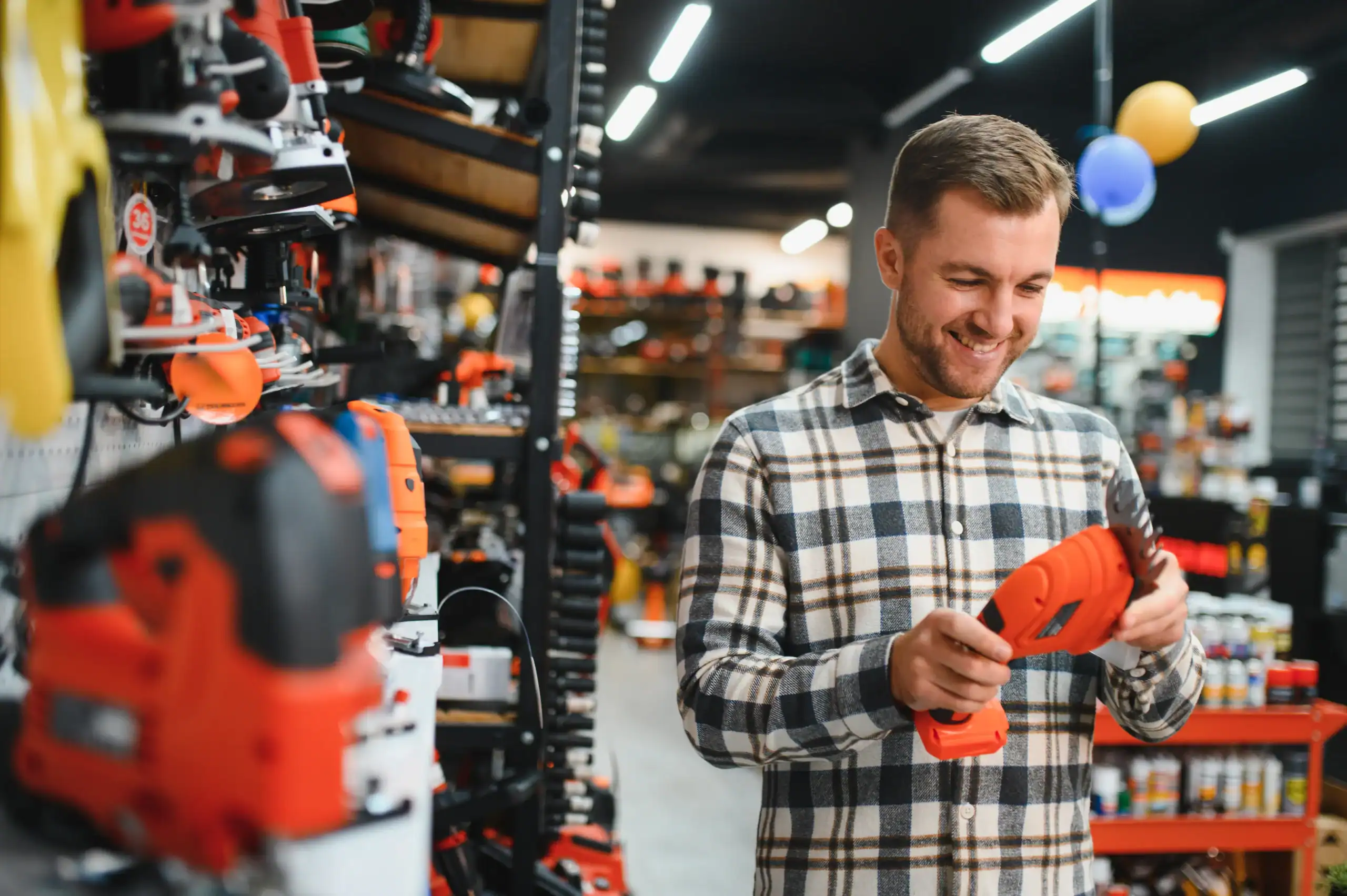
Compact equipment isn’t just smaller versions of regular machines. It’s purpose-built for environments where access, maneuverability, and precision matter more than raw power.
The footprint difference is immediate. A standard excavator needs 12-15 feet of clearance to swing and operate safely. A compact mini excavator with zero tail-swing design works in spaces half that size, rotating 360 degrees without the rear end extending past the tracks. That’s the difference between fitting through a residential gate and tearing down a fence to get equipment on site.
Weight matters too. Compact construction equipment distributes load differently, which means you can work on finished driveways, near underground utilities, or on properties where ground pressure is a concern. You’re not leaving ruts or cracking concrete just to get the equipment where it needs to be.
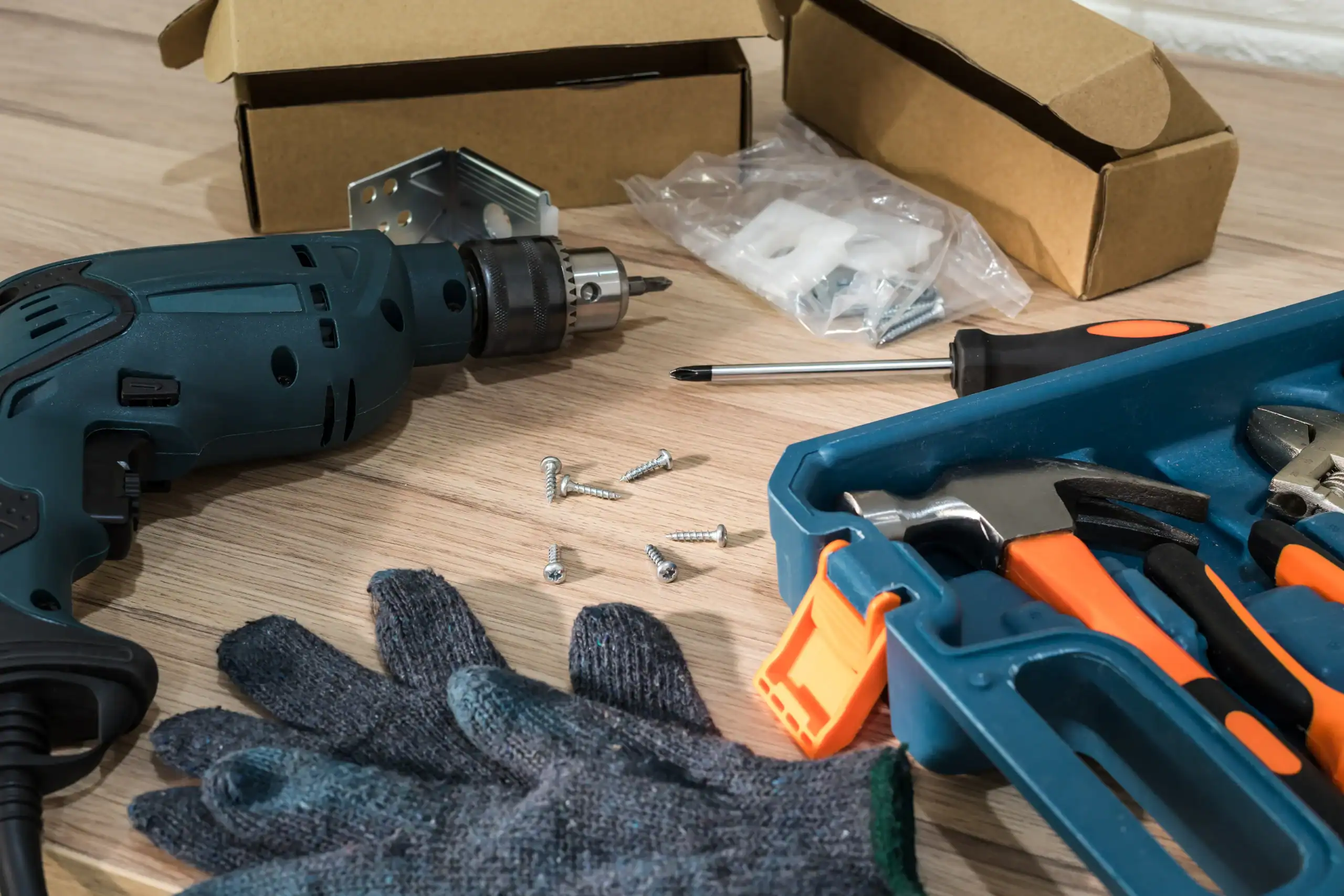
Mini excavators have become the default choice for tight-access projects because they solve the fundamental problem: getting digging power into spaces that standard equipment can’t reach. These machines typically range from 3,000 to 18,000 pounds, with the smaller models fitting through a standard 36-inch gate.
The applications are everywhere in St. Lucie County, FL and Orange County, FL. Foundation work on infill lots in Port St. Lucie where homes sit 10 feet apart. Landscaping projects in Orlando neighborhoods with mature trees and underground sprinkler systems you can’t afford to hit. Utility trenching along existing structures where a standard backhoe would take out the building you’re trying to protect.
What makes mini excavator rental particularly valuable is the attachment ecosystem. You’re not limited to digging. Swap the bucket for an auger and you’re drilling post holes. Add a hydraulic breaker and you’re removing concrete. The quick-coupler systems on modern machines let operators change attachments without leaving the cab, which matters when you’re working in a space where repositioning the machine costs time.
Boom design has evolved significantly. Articulating booms and extendable dippers give you reach and flexibility that wasn’t available five years ago. You can dig under obstacles, work around corners, and maintain precision even when the machine is positioned away from the actual work area. For contractors working in urban environments across Florida, this translates to fewer site moves and better productivity in spaces that used to require hand digging.
The learning curve is manageable. Operators familiar with standard excavators adapt quickly, and the controls are intuitive enough that crew members with basic equipment experience can be productive within a day. That matters when labor is tight and you need multiple people capable of running the machine across different shifts or project phases.
Skid steers and compact track loaders fill a different role in tight-space work. Where mini excavators excel at digging and precision tasks, these machines dominate material handling, grading, and general site work in areas where access is limited but you still need to move significant volume.
The difference between wheeled skid steers and tracked compact loaders comes down to ground conditions and maneuverability needs. Skid steers work well on firm, finished surfaces—parking lots, driveways, areas where you’re not concerned about surface damage. The wheeled design lets you move quickly between tasks and makes transport easier. Compact track loaders distribute weight across a larger surface area, which means they work in soft soil, on slopes, and in conditions where a wheeled machine would sink or struggle for traction.
Both types share the same fundamental advantage: they turn on their own footprint. There’s no need for a three-point turn or backing up to reposition. You rotate in place, which is critical when you’re working between houses, in parking structures, or anywhere that a conventional loader would spend half its time just trying to get pointed in the right direction.
The attachment versatility rivals mini excavators. Buckets for moving material. Forks for handling pallets. Grading blades for finish work. Augers, trenchers, concrete breakers—the list runs long. For contractors managing multiple phases of a project in St. Lucie County, FL or Orange County, FL, a single skid steer loader with the right attachments can replace three or four specialized pieces of equipment.
Size matters more than you’d think. The smallest mini skid steers weigh around 3,000 pounds and fit through standard residential gates. Mid-size machines in the 5,000-7,000 pound range offer more lifting capacity while still working in restricted areas. Larger units push 10,000 pounds and deliver serious power, but you’re starting to lose some of the access advantages that make compact equipment rental valuable in the first place.
Operators appreciate the visibility. The cab design on modern compact loaders gives you clear sightlines in all directions, which reduces the risk of backing into structures, utilities, or people. When you’re working in tight quarters with limited space to maneuver, that visibility isn’t just convenient—it’s the difference between finishing clean and causing damage that costs more than the rental.
Want live answers?
Connect with a Tool Rental and Heavy Equipment LLC expert for fast, friendly support.
The wrong equipment costs you twice—once in rental fees for a machine that doesn’t fit the job, and again in lost productivity while you figure out alternatives. Choosing correctly starts with understanding what your project actually demands.
Access is the first filter. Measure the narrowest point between where the compact equipment needs to be and where it can be delivered. A 36-inch gate means you’re limited to the smallest mini excavators and mini skid steers. A 6-foot alley gives you more options but still rules out mid-size machines. If you’re working in a backyard with no side access, you might be looking at lifting equipment over a structure, which changes the entire equation.
Task requirements come next. Digging depth, lifting capacity, reach—these specs aren’t suggestions. If you need to dig 10 feet down for a foundation and you rent a machine with 8 feet of digging depth, you’re not getting creative solutions, you’re getting stuck. Match the machine’s capabilities to the actual work, not what you hope will be close enough.
Equipment spec sheets list dozens of numbers. Most of them don’t matter for your decision. A few of them determine whether the machine works for your project or becomes an expensive paperweight.
Operating weight tells you about ground pressure and transport requirements. A 4,000-pound mini excavator can work on surfaces that would be damaged by an 8,000-pound machine. It also means you can potentially transport it with a standard trailer and truck, rather than needing commercial hauling. But that lighter weight usually comes with trade-offs in digging force and stability.
Digging depth and reach define your work envelope. If you’re installing utilities in residential areas across St. Lucie County, FL, you need enough depth to get below code requirements. If you’re working near existing structures in Orange County, FL, reach matters more than depth—you need to position the machine away from the building and still access the work area. Zero tail-swing or reduced tail-swing designs become critical here, because they let you work closer to obstacles without the rear of the machine hitting anything as you rotate.
Bucket capacity affects productivity more than most people realize. A larger bucket moves more material per cycle, which matters when you’re loading trucks or moving significant volume. But in tight spaces, a smaller bucket often makes more sense because it gives you better control and reduces the risk of hitting adjacent structures or utilities. Many contractors rent machines with quick-couplers and multiple bucket sizes, swapping based on the specific task.
Hydraulic flow and pressure determine what attachments you can run effectively. A breaker or auger needs sufficient hydraulic power to operate at full capacity. Underpowered hydraulics mean attachments that work slowly or not at all. Check compatibility before you show up on site, because discovering your rental machine can’t run the attachment you need is a problem that costs you a day.
Track or tire width influences stability and ground pressure. Wider tracks spread weight across more surface area, reducing the risk of sinking in soft soil or damaging finished surfaces. But wider tracks also mean a larger overall footprint, which can be a problem in extremely confined spaces. There’s always a balance between stability and access.
Operators often overlook cab comfort and visibility until they’re six hours into a shift. In tight-space work where precision matters and you’re constantly aware of obstacles, good visibility reduces fatigue and mistakes. Climate control isn’t luxury—it’s productivity when you’re working Florida summers and need operators who can maintain focus through full days.
Rental duration affects your total cost more than the daily rate. Understanding how pricing structures work helps you avoid paying more than necessary while ensuring you have compact equipment for as long as you actually need it.
Daily rentals make sense for short, specific tasks. You need to dig a trench, pour a foundation, or move material for a day or two. The daily rate is higher per day than weekly or monthly rates, but if you only need the machine briefly, it’s still the most cost-effective option. The break-even point typically hits around the third or fourth day—if you need equipment longer than that, weekly rates start making more financial sense.
Weekly rentals suit most small to mid-size projects. You get the equipment for a full week at a rate that’s usually 3-4 times the daily rate, which means if you need it for more than three days, you’re already saving money. This works well for residential site work, landscaping projects, or construction phases that span several days but won’t stretch into multiple weeks.
Monthly rentals deliver the best per-day value for longer projects. The monthly rate is typically 3-4 times the weekly rate, so if you need equipment for more than two weeks, monthly rental becomes the economical choice. This is common for larger residential developments, commercial site work, or projects where you need equipment on standby even if it’s not running every single day.
The hidden cost in rental decisions is keeping equipment longer than you need it because returning it early doesn’t get you a refund. Plan your project phases carefully. If you need a mini excavator for the first week and a skid steer for the second, rent them sequentially rather than overlapping. If you’re unsure about timeline, communicate with your rental company—many will work with you on adjustments if your schedule shifts.
Delivery and pickup fees can change the math. Some compact equipment rental companies include delivery in their pricing, others charge separately. If you’re comparing rates between providers in St. Lucie County, FL or Orange County, FL, factor in the total cost including transport. A slightly higher rental rate with free delivery often beats a lower rate with expensive delivery fees.
Equipment rental is straightforward until something goes wrong. That’s when you find out whether you’re working with a company that understands construction timelines or one that treats your project like an inconvenience.
The difference shows up in the details. Equipment that arrives on time, not “sometime in the morning.” Machines that were actually maintained, not just hosed off from the last job. Rental agreements with clear terms, not surprise fees when you return the equipment. Support that responds when you have questions, not voicemail that goes unanswered.
For contractors working in St. Lucie County, FL and Orange County, FL, local knowledge matters. Companies that understand Florida soil conditions, permitting requirements, and the specific challenges of urban and residential construction in these markets bring value beyond just providing equipment. We know which compact machines work best for local applications and can help you avoid the learning curve that comes from renting equipment that’s technically capable but not ideal for your specific situation.
We serve both counties with compact equipment rental maintained to show up ready for work. When your reputation depends on finishing on schedule and your schedule depends on equipment that actually works, that’s the kind of reliability that matters.
Summary:
Article details:
Share: