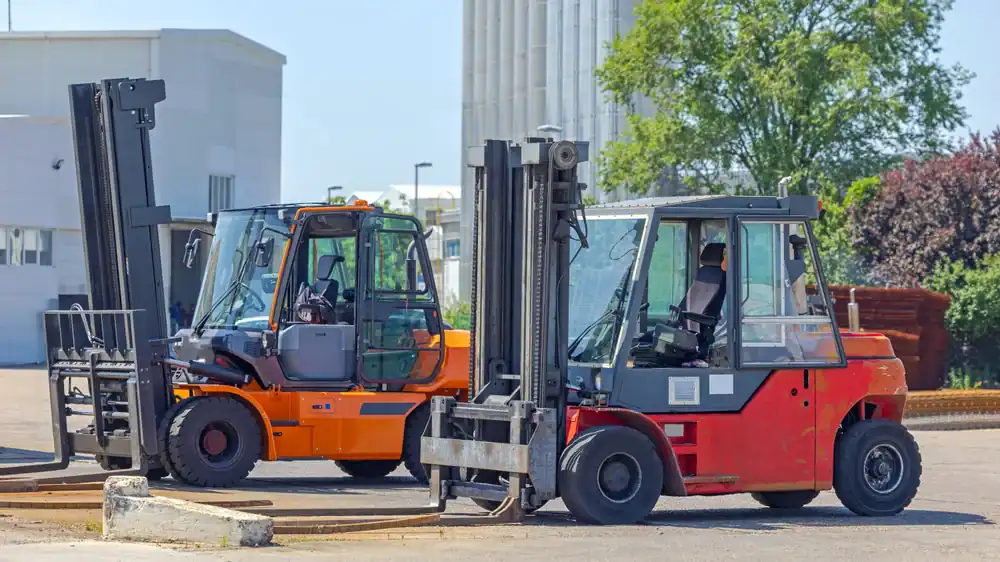
Florida contractors are discovering what the numbers already prove: renting construction equipment cuts costs by up to 35% while eliminating the headaches of ownership, maintenance, and storage.
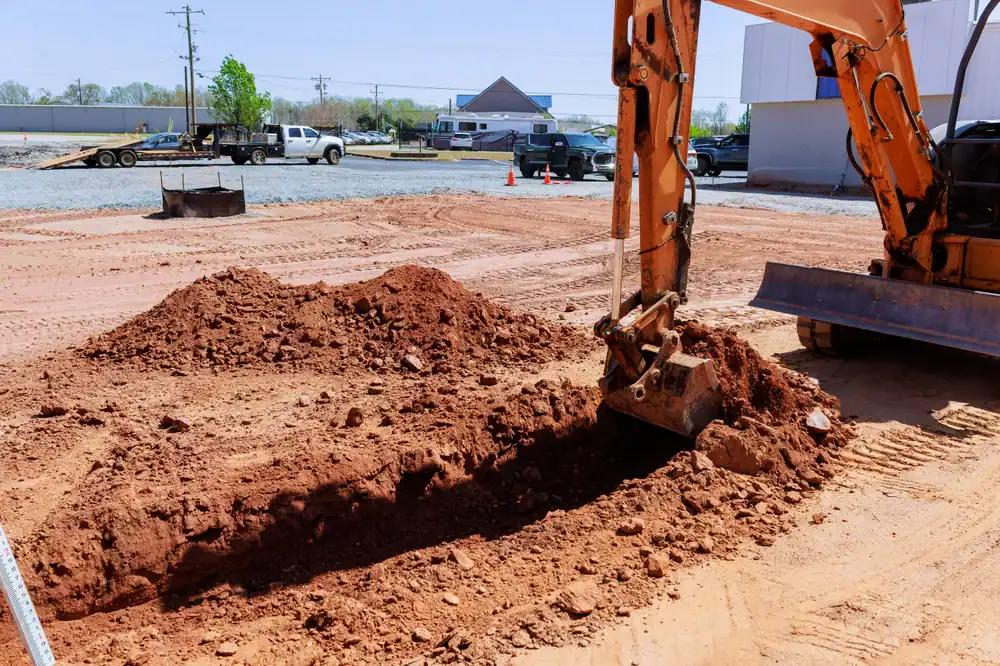
When you buy a piece of machinery, you’re not just paying the sticker price. You’re signing up for years of ongoing expenses that chip away at your profit margin every single month. The average excavator can run anywhere from $100,000 to $500,000 new, but that’s only the start.
Depreciation hits hard and fast. Most new construction equipment loses 20 to 40 percent of its value in the first year alone. That $150,000 machine you just financed? It’s worth closer to $100,000 before you’ve even paid off the first year of notes.
Maintenance, insurance, property taxes, storage space, and transportation costs between job sites all pile on. Industry standards suggest you’ll spend about 2 to 5 percent of the purchase price annually just keeping the thing running. When something breaks down unexpectedly, you’re looking at repair bills that can easily hit five figures, not to mention the lost revenue while the machine sits in the shop.
Depreciation isn’t just an accounting term. It’s real money walking out the door. Construction equipment starts losing value the moment it leaves the lot, and that loss accelerates with every hour of use and every year of age. By the time you’re ready to sell or trade in, you’re lucky to recover half of what you originally paid.
The bigger issue is utilization. Most contractors overestimate how often they’ll actually use a piece of equipment. You might think that backhoe will stay busy, but between projects, weather delays, and scheduling gaps, it’s common for owned equipment to sit idle 60 percent of the time or more.
Here’s the kicker: those fixed costs don’t stop when the machine isn’t working. You’re still paying insurance. You’re still covering storage. You’re still making loan payments. Every day that equipment sits unused, it’s costing you money without generating a dime of revenue.
One Florida contractor tracked their wheel loader and estimated it was working 2,000 hours on a project. The actual logged hours? 800. That’s 60 percent wasted time that could have been put to work elsewhere or avoided entirely through machinery rental.
When you own equipment, you’re betting that you’ll keep it busy enough to justify the investment. If utilization drops below 60 to 70 percent, the math starts working against you. In Florida, where humidity, salt air, and heat accelerate wear and tear, the maintenance costs climb even higher. Tool rental flips that equation. You pay only for the days you need the equipment, and when the job’s done, it goes back. No idle time eating into your budget. No depreciation cutting into your resale value.
Maintenance is one of those expenses that sounds manageable on paper but spirals out of control in reality. Routine service intervals, oil changes, filter replacements, hydraulic fluid, tire or track wear—it all adds up. And that’s just the predictable stuff. When a hydraulic line blows or an engine component fails, you’re looking at repair bills that can run into the thousands, plus the cost of downtime while you wait for parts and service.
Ownership also means you’re responsible for keeping up with manufacturer recommendations and safety inspections. Miss a service window, and you risk voiding warranties or creating bigger problems down the line. Some contractors try to cut corners by delaying maintenance, but that usually backfires with more expensive repairs and shorter equipment lifespan.
Storage is another hidden cost. If you don’t have space on your property, you’re paying monthly fees to keep that equipment somewhere safe. Even if you do have the space, you’re tying up valuable real estate that could be used for something more productive. Heavy equipment takes up a lot of room, and the more machines you own, the bigger the footprint you need.
Transportation adds another layer of complexity. Moving a 20-ton excavator from one job site to another isn’t something you can do with a pickup truck. You need a trailer, a truck capable of hauling it, and sometimes permits depending on the size and weight. If you’re working across St. Lucie County, FL and Orange County, FL or taking jobs in different regions, those logistics become a constant headache.
Equipment rental services handle all of that. We deliver the machinery to your site and pick it up when you’re done. You don’t need to own a fleet of trailers or dedicate a crew member to shuttling machines around. That’s time and money you get back to focus on the actual work.
Want live answers?
Connect with a Tool Rental and Heavy Equipment LLC expert for fast, friendly support.
Renting equipment doesn’t just save you from the upfront cost of buying. It fundamentally changes how you manage cash flow and allocate resources. Instead of tying up $100,000 or more in a single piece of machinery, you keep that capital available for payroll, materials, marketing, or taking on additional projects.
The rental model is straightforward. You pay for the equipment only when you’re using it. Daily, weekly, or monthly rates give you flexibility to match the rental period to your project timeline. When the job wraps up, the equipment goes back, and so do the associated costs. No more paying insurance and storage fees on a machine that’s sitting idle for three months between gigs.
Studies show that contractors who rely on equipment rental can reduce total project costs by 20 to 35 percent compared to those who purchase machinery outright. That’s not a small difference. On a $500,000 project, that’s up to $175,000 in savings. Even on smaller jobs, the cost advantage adds up quickly, especially when you factor in the elimination of maintenance, repairs, and depreciation.
The decision to rent or buy isn’t one-size-fits-all, but there’s a general rule that works for most contractors: if you need a piece of equipment for less than a year, renting almost always makes more financial sense. If you’re going to use it consistently for longer than that, buying might be worth considering—but only if you can keep it utilized at least 60 to 70 percent of the time.
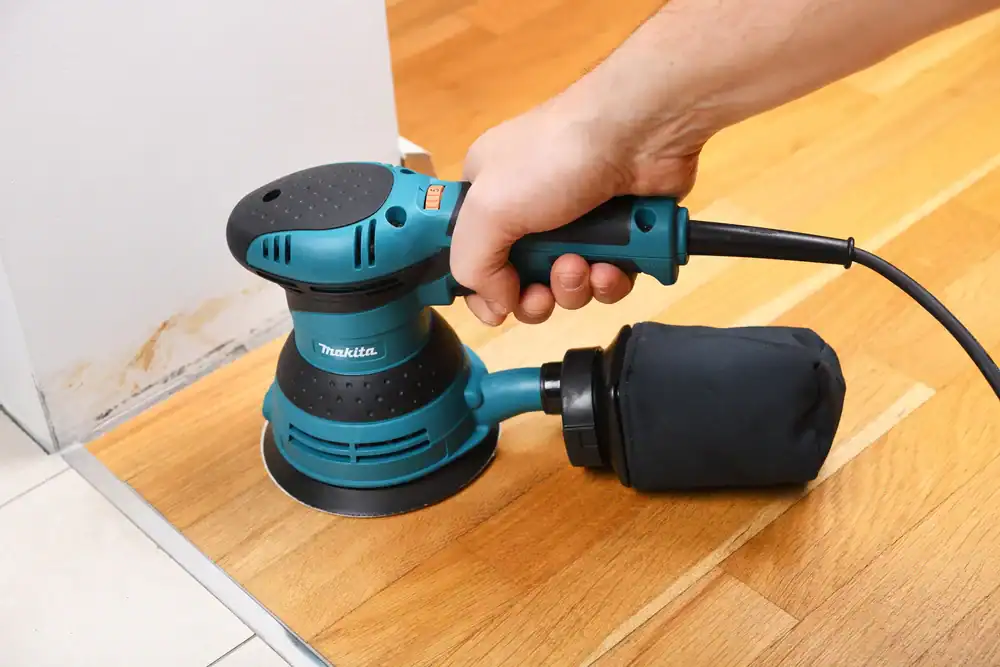
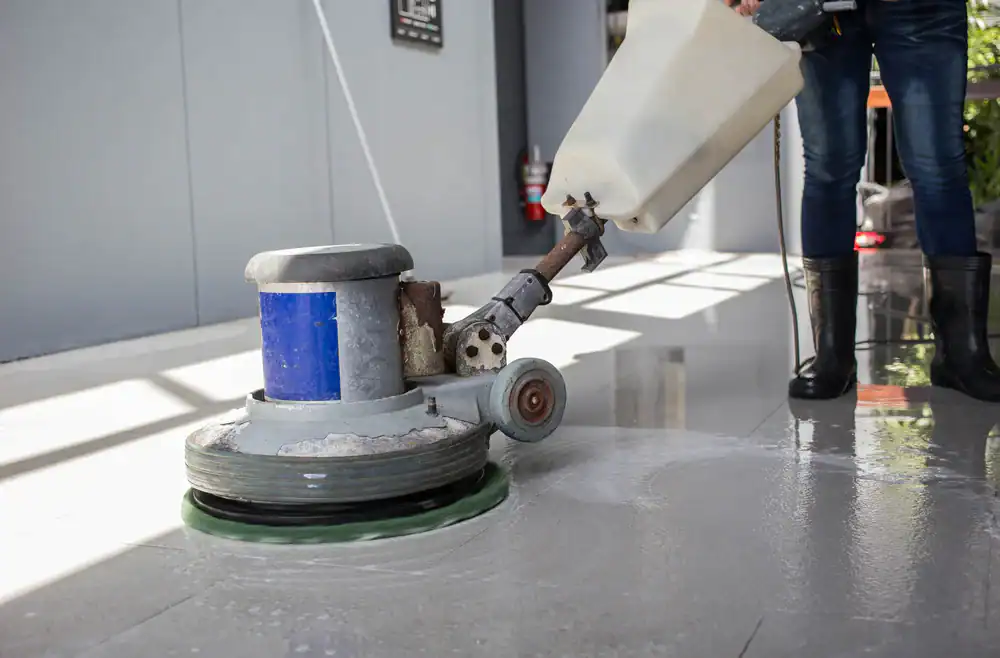
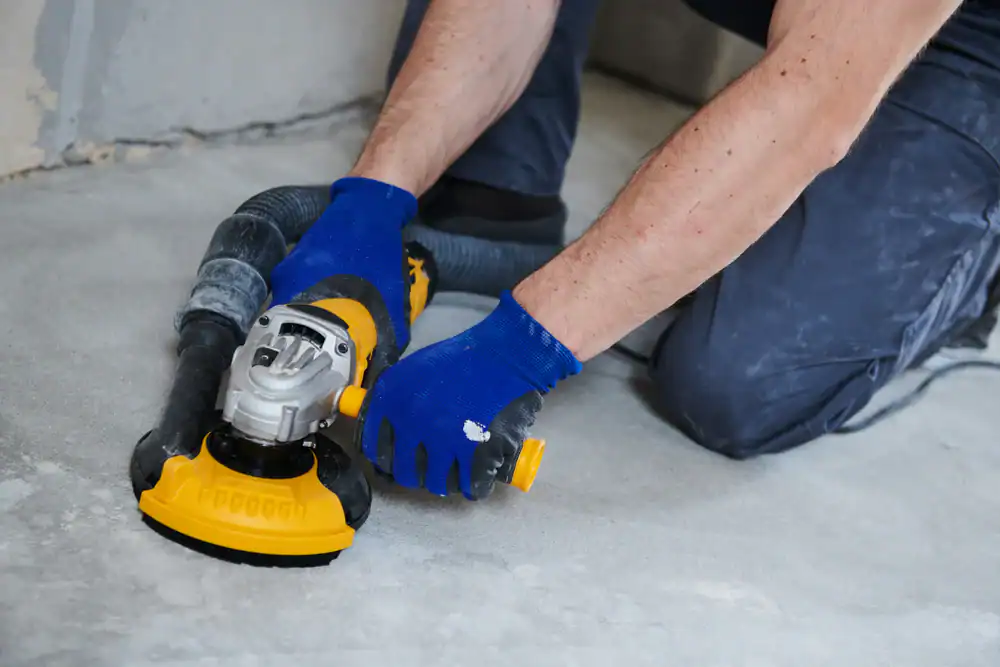
Specialty equipment is a perfect candidate for tool rental. If you’re a general contractor who occasionally takes on flooring work, renting flooring equipment like a floor sander or concrete grinder for that one project makes a lot more sense than buying a machine that’ll sit in storage for months. The same goes for equipment you need for a specific phase of a project. Need a trencher for a week to run utilities? Rent it. Need a boom lift to install HVAC on a commercial build? Rent it.
These are tools that serve a narrow purpose, and owning them means you’re paying for capacity you rarely use. Even for equipment you use regularly, machinery rental can still be the better option if the machine is expensive or has high maintenance demands.
A $300,000 motor grader might rent for $7,500 per month. If you’re only using it six to eight months out of the year, you’d spend $45,000 to $60,000 in rental fees. Compare that to the loan payments, insurance, maintenance, storage, and depreciation on a purchased unit, and rental services often come out ahead—especially when you factor in the flexibility to return it during slow periods.
Renting also gives you the ability to test equipment before committing to a purchase. If you’re considering adding a new type of machine to your fleet, rent it for a few months and see how it performs on your jobs. You’ll get a real-world sense of whether it’s worth the investment, and if it’s not, you’re not stuck with a depreciating asset you can’t move.
Florida’s construction market is booming. St. Lucie County, FL alone issued 245 residential construction permits valued at over $73 million in a single month, while Orange County, FL added another 183 permits worth nearly $76 million. With that kind of activity, contractors need reliable access to construction equipment without the financial risk of ownership, and that’s where tool rental services become a strategic advantage.
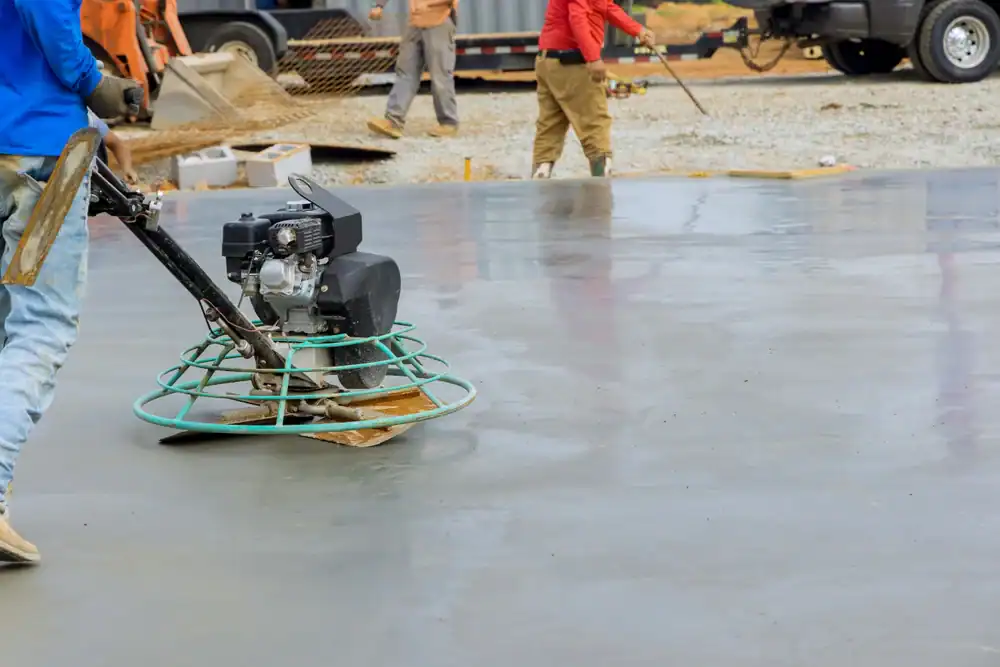
We understand the local market. We stock the equipment contractors actually need—excavators, skid steers, compaction tools, concrete equipment, flooring equipment, and more. We also understand the environmental challenges. Salt air, high humidity, and intense heat accelerate equipment wear in coastal and central Florida, which makes owning machinery even more expensive. We absorb those maintenance costs and keep our fleet in top condition, so you’re getting well-maintained equipment every time.
Our delivery and pickup services eliminate the logistical headaches of transporting heavy machinery. Whether you’re working on a residential development in St. Lucie County, FL or a commercial project in Orange County, FL, we bring the equipment to your site and haul it away when you’re done. That’s one less thing to manage, and it frees up your crew to focus on the work instead of coordinating equipment moves.
Flexibility is another big advantage. Construction in Florida can be unpredictable. Hurricane season, permitting delays, and shifting project timelines mean you need the ability to scale up or down quickly. Equipment rental agreements let you adjust your needs on the fly. If a project gets delayed, you’re not stuck paying for idle machinery. If you land a new job and need additional equipment, you can have it on-site within a day or two.
That kind of agility is hard to achieve when you own everything. The rental industry has grown significantly in recent years, with more than 90 percent of construction contractors now renting equipment at least once a year, and over half planning to increase their rental usage. That shift reflects a broader recognition that machinery rental isn’t just a fallback option—it’s a smarter, more profitable way to operate. The numbers back it up, and contractors across Florida are making the switch.
Owning construction equipment made sense in a different era, when projects were longer, margins were wider, and the cost of ownership didn’t spiral the way it does now. Today, the math points in a different direction. Depreciation, maintenance, storage, insurance, and idle time all erode the value of ownership, while tool rental offers a cleaner, more predictable path to profitability.
The contractors who are growing their businesses in St. Lucie County, FL and Orange County, FL aren’t the ones with the biggest equipment yards. They’re the ones making smart financial decisions, keeping cash flow healthy, and staying flexible enough to take on the right projects at the right time. Rental services give you that freedom.
If you’re ready to stop paying for equipment you’re not using and start putting that capital to better use, it’s time to rethink how you approach machinery. We’re here to help Florida contractors access the construction equipment and flooring equipment they need without the costs and headaches of ownership.
Summary:
Article details:
Share: