Edge and Detail Polishing St. Lucie & Orange County, FL

Finish Every Corner Like a Pro

Get the specialized equipment you need to polish concrete edges, corners, and tight spaces that walk-behind machines can’t reach. Our handheld concrete polishers and edge floor grinders deliver consistent, professional results across your entire floor.

Handheld Concrete Polisher Rentals in St. Lucie & Orange County, FL

The Equipment Walk-Behinds Leave Behind

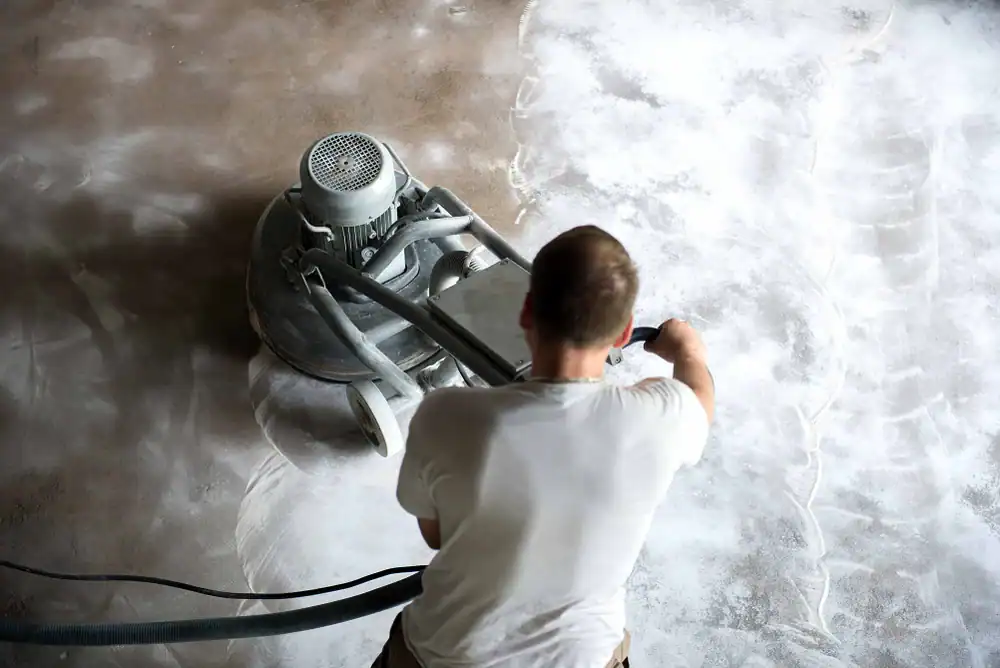
Edge and detail polishing equipment handles the work your main floor machines physically can’t do. Walk-behind grinders stop several inches from walls because of their dust shrouds and body size. That’s where handheld concrete polishers, variable-speed wet/dry polishers, edge floor grinders, and corner grinding tools come in.

These aren’t just smaller versions of floor machines. They’re purpose-built to reach tight spaces, follow wall lines, grind around columns, and polish corners without the back-breaking fatigue of pure hand work. Whether you’re finishing a garage floor in Port St. Lucie or prepping a commercial space in Orlando, getting edges right makes the difference between work that looks DIY and work that looks professional.

The challenge isn’t just reaching those areas. It’s matching the cut depth and polish level your big machine achieved in the main field, so the entire floor looks consistent.

Equipment That Actually Works

Every edge grinder and handheld polisher is professionally maintained and tested before it leaves our yard, so you’re not troubleshooting on your dime.

Right Tool Every Time

We help you match equipment to your specific project needs, whether you’re working residential edges or commercial spaces with complex layouts.

Flexible Rental Terms

Rent by the day, week, or month with straightforward pricing. No surprises, no hidden fees for basic accessories you actually need.

Tool & Machinery Rental Services Florida

Full Range of Equipment for Every Phase
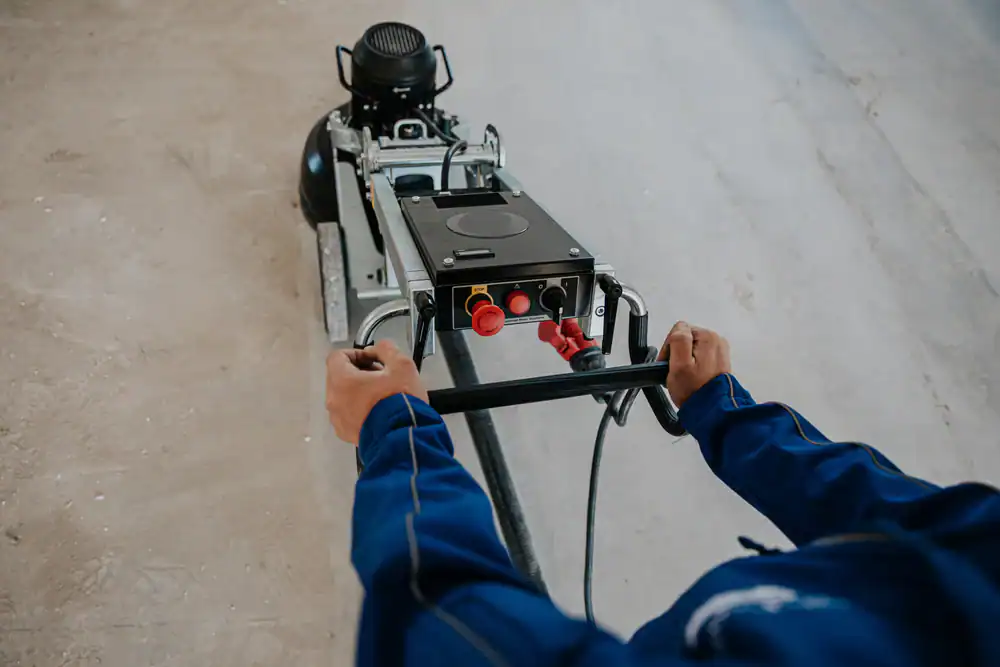
Variable-Speed Wet Dry Polisher Benefits

What You Actually Get

Beyond just renting equipment, you're solving the specific problems that come with edge work and detail polishing on concrete surfaces.

You’ll finish edges that match your main floor polish instead of having obvious lines where your walk-behind stopped working.
Your back and knees stay intact because proper edge grinding tools eliminate hours of hand-grinding on your knees.
You can take on jobs with complex room layouts, columns, and tight spaces instead of turning down profitable work.
Variable-speed control lets you dial in the right RPM for each polishing stage from aggressive cutting to final high-gloss finishing.
Wet and dry capabilities mean you choose the best approach for your specific conditions and dust management needs.
You avoid the thousands of dollars required to purchase specialized equipment you might only use occasionally.

Edge Floor Grinder Equipment Options

Equipment Built for Different Challenges

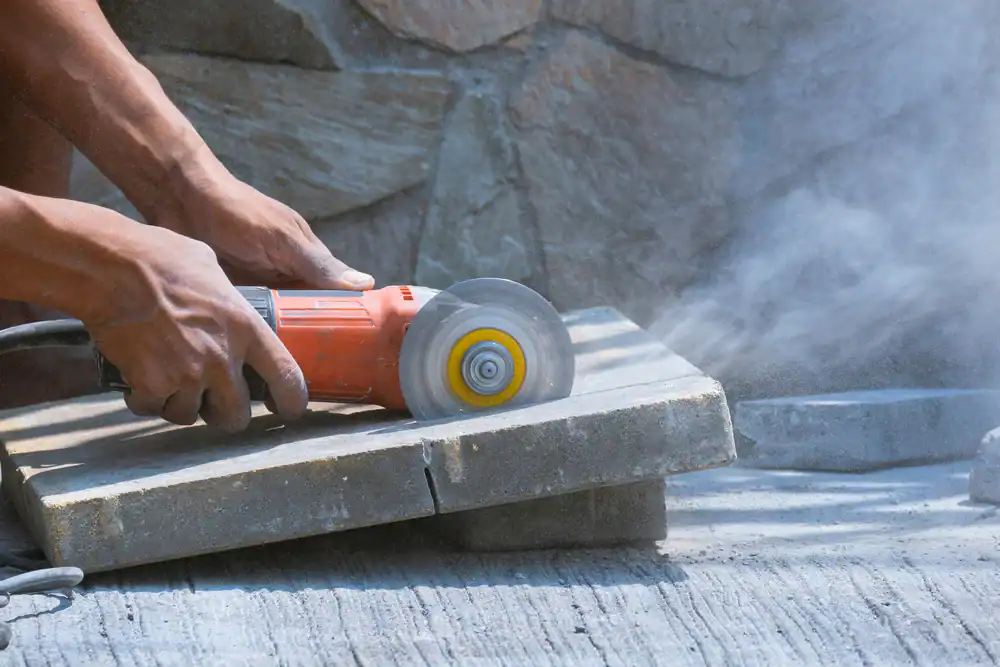
Not all edge work is the same, and neither is the equipment that handles it. Handheld concrete polishers with variable speed give you control for different materials and finishing stages. Edge floor grinders are designed specifically to work right up against walls where regular grinders physically can’t go because of their shroud design. Corner grinding tools tackle the tightest spaces where even edge grinders struggle.

The equipment you need depends on your specific situation. A residential garage floor with four straight walls requires different tools than a commercial space with multiple rooms, columns, and doorways. Small jobs under 1,000 square feet might need just a single handheld unit. Larger commercial projects often require multiple edge grinding approaches to stay efficient.

Corner Grinding Tool Applications

Why Edge Work Matters More Than You Think

Here’s what most people don’t realize until they’re halfway through a polishing job – edge work can represent anywhere from 10% to 50% of your total project time depending on the space configuration. A wide-open warehouse might only have 10% edge work. A residential home with multiple rooms, hallways, and closets can hit 50% easily.

The real challenge isn’t just reaching those edges. It’s achieving the same depth of cut and polish level your heavier walk-behind machine produced in the main field. Your floor looks terrible when you have deep aggregate exposure in the center and a salt-and-pepper finish along every wall. Lighter handheld equipment requires more passes and proper technique to match what a 200-pound planetary grinder does in one pass.

Frequently Asked Questions

We're here to provide clear and helpful answers

Explore our FAQs to learn more about our process, pricing, and how we ensure quality, transparency, and client satisfaction at every stage.
Edge grinders are specifically designed to work in the spaces right next to walls where regular walk-behind grinders can’t physically reach. Walk-behind machines have dust shrouds and body designs that stop them several inches away from walls. Edge grinders have compact profiles and specialized grinding heads that let you work right up against vertical surfaces. They’re lighter and more maneuverable but still need enough down pressure to match the cut depth and polish level of your main floor equipment. Most concrete polishing jobs require both types – walk-behinds for the main field and edge grinders for perimeter work. The key is using the same diamond tooling grits on both machines so your edges match your floor finish.
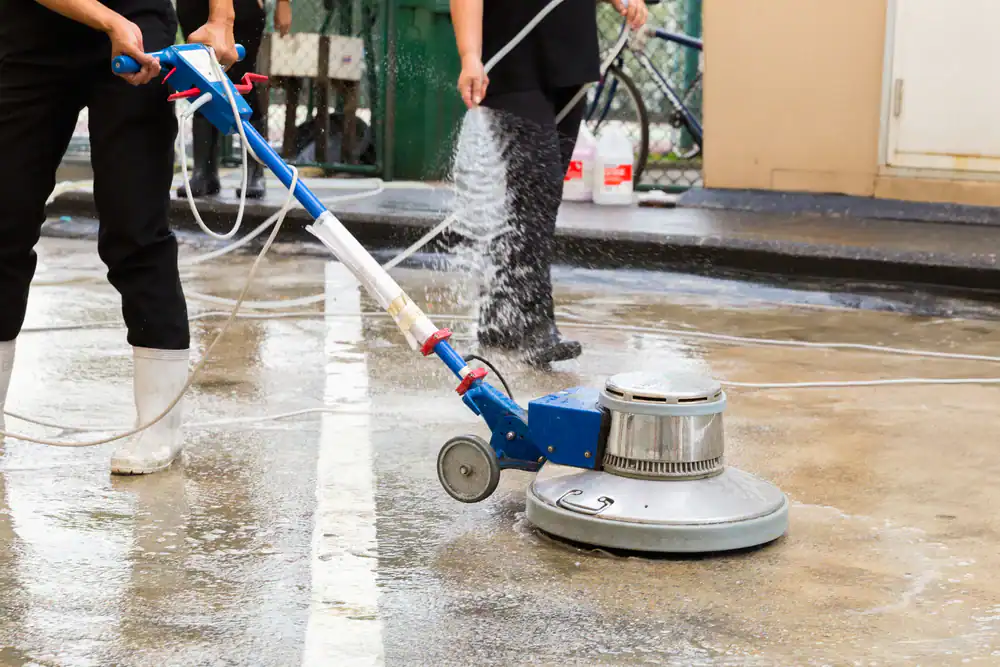
It depends on your specific project requirements and working conditions. Wet polishing generally produces better finish quality with superior dust control, which matters in occupied spaces or residential work. The water keeps your diamonds cooler and helps them cut more efficiently. Dry polishing works better for certain surface prep applications and when you can’t have water on the floor. Variable-speed wet/dry polishers give you both options in one machine, which is why they’re popular rentals. You can run them wet for final polishing stages where finish quality matters most, then switch to dry for initial grinding or coating removal. For edge work specifically, wet operation often makes sense because you’re working closer to walls and creating dust in tighter spaces where containment is harder.
Matching edge polish to your main floor comes down to three things – using the same diamond tooling grits, achieving similar cut depth, and following the same polishing sequence. You need to run your edge grinder through the exact same grit progression you used on the main floor. If you went 30-50-100-200-400-800-3000 grit on the floor, your edges need that same sequence. The challenge is that lighter handheld equipment doesn’t have the same down pressure as a 200-pound walk-behind machine, so you might need more passes or additional weight on your edge grinder to cut at the same depth. Variable-speed control helps because you can adjust RPM for each grit stage. Start your edge work at the same time as your main floor grinding, keeping both areas at the same grit stage as you progress. This prevents situations where your floor is polished to 800 grit while your edges are still at 100 grit trying to catch up.
Most handheld concrete polishers and edge grinders run on standard 110V or 220V power, which is available in residential and commercial settings. This is a major advantage over large walk-behind polishing machines that often require 480V three-phase power. A typical variable-speed wet/dry polisher pulls 10-15 amps on a 110V circuit, which you can run off regular outlets. Some larger edge grinders need 220V single-phase power, which you can usually access from dryer outlets or have an electrician set up temporarily. The key is confirming power requirements when you rent equipment. If you’re working in a residential garage, you’ll want equipment that runs on 110V. Commercial spaces typically have 220V available. Always check your circuit capacity – running multiple grinders plus dust collection vacuums on the same circuit can trip breakers if you’re not careful.
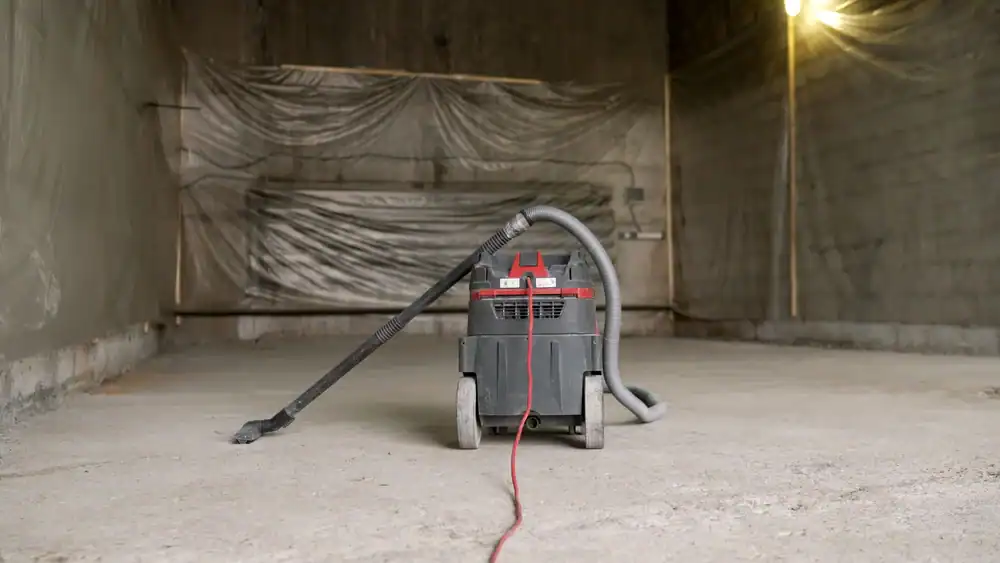
You can rent just the edge grinder if that’s all you need, but most concrete polishing projects require a few complementary items to do the job right. At minimum, you’ll want diamond tooling in the grits you’re planning to use – these are often rented separately from the grinder itself. Dust collection is another consideration. Many edge grinders have vacuum ports, and running them with proper dust extraction makes the work cleaner and healthier. You might also need different attachments for specific situations like corner grinding tools for the tightest spaces. If you’re doing a complete polishing job, you’re probably renting a walk-behind grinder for the main floor area plus edge equipment for perimeter work. We can help you figure out exactly what your specific project needs based on your square footage, space layout, and the finish you’re trying to achieve.
Edge work timing varies dramatically based on your space configuration. In a wide-open area like a warehouse with just four walls, edge work might only be 10% of your total project time. In a residential home with multiple rooms, hallways, closets, and doorways, edge work can easily hit 40-50% of your total time. A typical two-car garage might have 400 square feet of main floor area that a walk-behind grinder covers in a few hours, but 80 linear feet of edge work that takes nearly as long with handheld equipment. Complex commercial spaces with columns, multiple rooms, and lots of obstacles will have even higher edge work percentages. The other factor is your skill level and equipment quality. Proper edge grinding equipment with adequate down pressure and variable speed control works much faster than trying to make do with inadequate tools. Most contractors estimate edge work will take about as long as main floor grinding once you factor in all the detail areas.
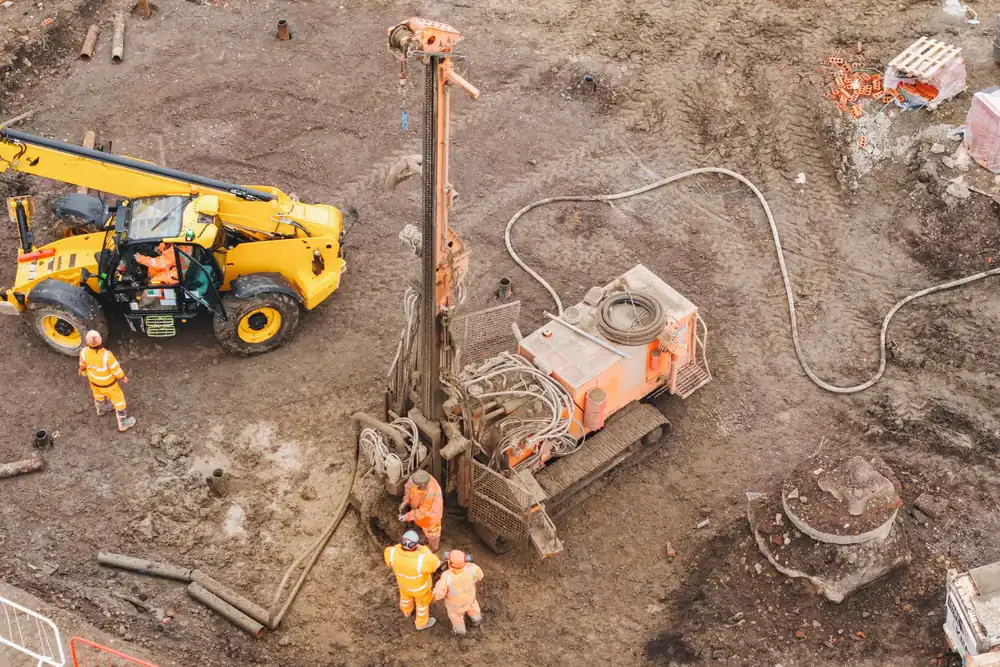
Aerial view of three construction workers in orange safety gear operating heavy drilling machinery—available through equipment rental St. Lucie & Orange County, FL—on a muddy site, with a yellow vehicle parked nearby.