The Right Suction Power for Surface Prep Work
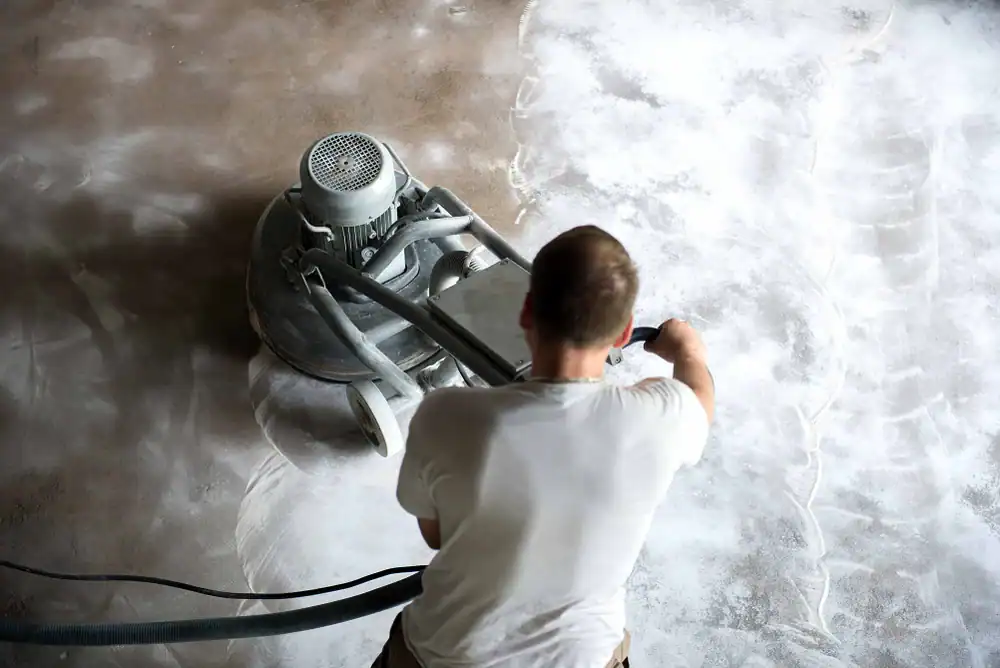
Industrial vacuums do more than pick up dust. They’re the difference between OSHA compliance and a citation, between a crew breathing clean air and one exposed to silica particles that cause long-term lung damage. When you’re grinding concrete, running a shot blaster, or scarifying floors in St. Lucie County or Orange County, you need equipment that matches your tools and actually captures the fine dust those operations create.
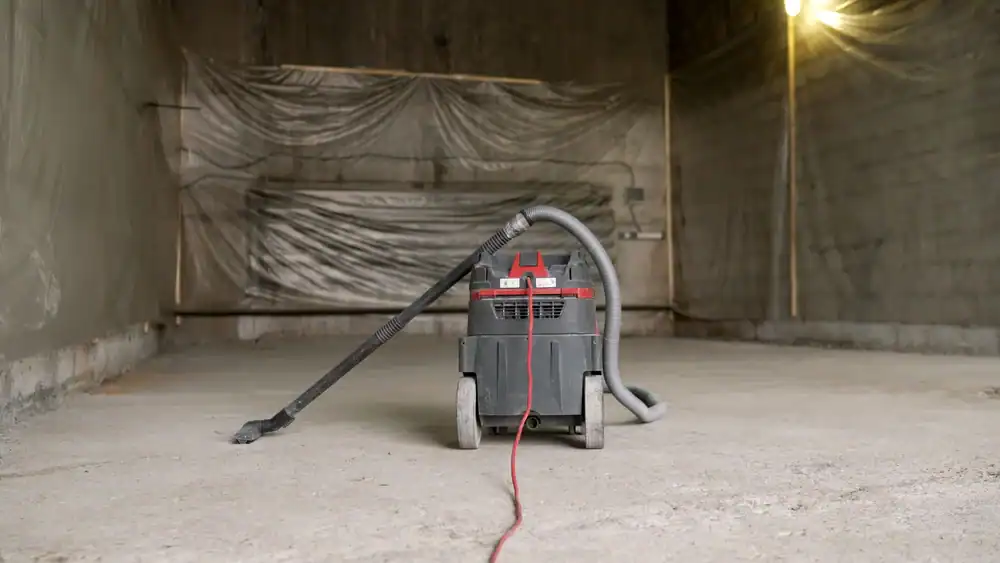
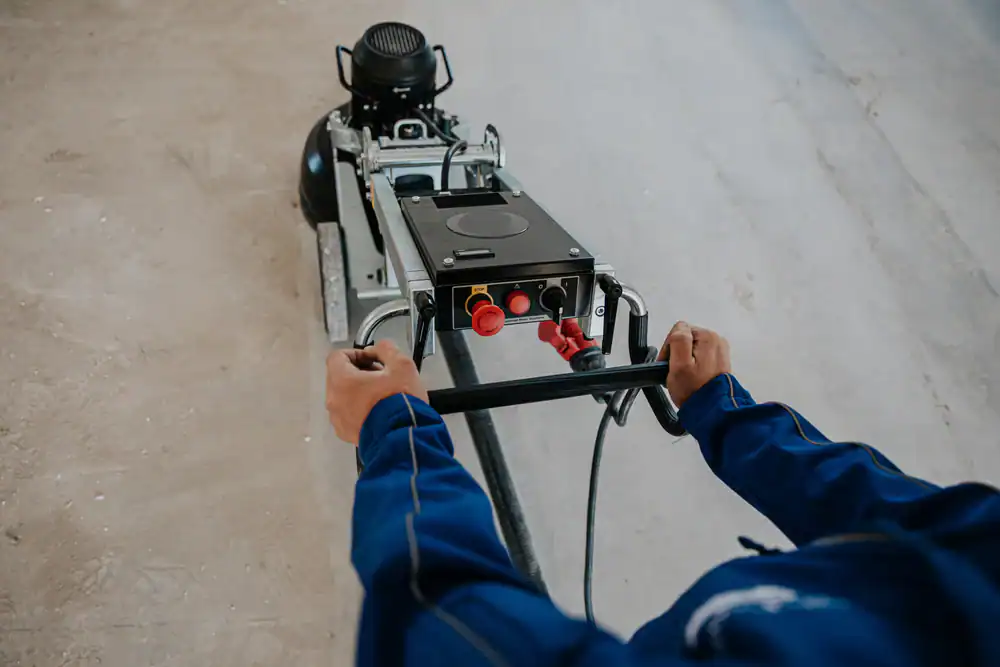
We stock single-motor and dual-motor HEPA vacuum systems designed specifically for construction and industrial applications. These aren’t shop vacs from a hardware store. They’re built to handle the volume, the abrasiveness, and the continuous duty cycle that concrete polish work demands. Electric dust extractors for indoor jobs with reliable power. Large industrial vacuums for high-volume debris removal. Shot blaster vacuums that integrate directly with surface prep equipment.
Full Range of Equipment for Every Phase
What You Get Beyond Just Renting Equipment
The real value isn't the vacuum itself—it's finishing jobs faster, keeping crews healthier, avoiding fines, and not sinking capital into equipment that sits idle between projects.
Why CFM and Filtration Actually Matter
When you’re matching a vacuum to a shot blaster, grinder, or scarifier, the CFM rating tells you whether the vacuum can actually keep up with the dust being generated. Too low, and you’re just moving dust around instead of capturing it. The airflow measured in cubic feet per minute determines how effectively the system draws and collects particles. Higher CFM means better capacity for fine powders and dust. Large industrial vacuums typically run 400-500+ CFM for heavy-duty applications.
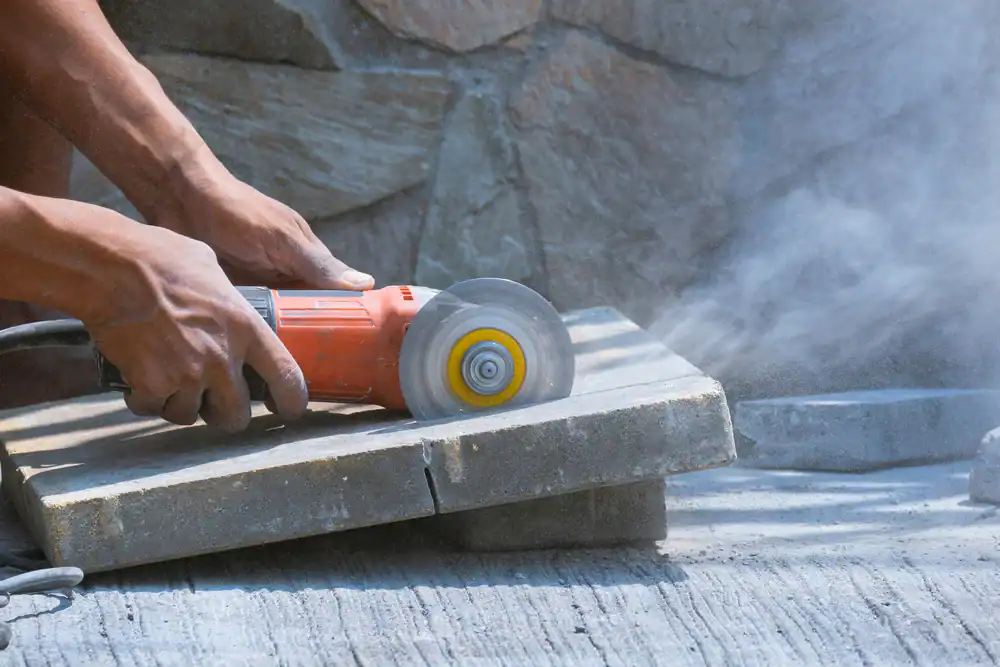
HEPA filtration is where OSHA compliance happens. Standard construction vacuums need 99% efficiency minimum. HEPA systems hit 99.97% or higher, trapping particles down to 0.3 microns. That’s the level that protects workers from respirable crystalline silica, the stuff that causes silicosis and lung disease. When you’re cutting, grinding, or blasting concrete in enclosed spaces or on Florida job sites where dust doesn’t just blow away, that filtration difference matters.
Electric vs Diesel and When Each Makes Sense
Electric dust extractors run quieter, which matters on indoor jobs, multi-tenant buildings, or anywhere noise complaints will shut you down. They’re ideal when you’ve got reliable power on site and don’t want to deal with fuel, emissions, or the maintenance that comes with diesel engines. For warehouse floors, retail spaces, or municipal buildings in Orange County, electric is usually the smarter call. Single-motor models handle most handheld tools and smaller grinders, while dual-motor HEPA vacuum units provide the extra suction for larger equipment.
Diesel-powered large industrial vacuums are for remote sites, outdoor work, or jobs where electrical infrastructure isn’t available or adequate. They provide the portability to move around large sites without worrying about cord length or finding outlets. Bridge work like the projects happening on Port St. Lucie Boulevard, road construction, or large concrete pads where you’re far from power sources—that’s where diesel units earn their keep.
We're here to provide clear and helpful answers
Explore our FAQs to learn more about our process, pricing, and how we ensure quality, transparency, and client satisfaction at every stage.