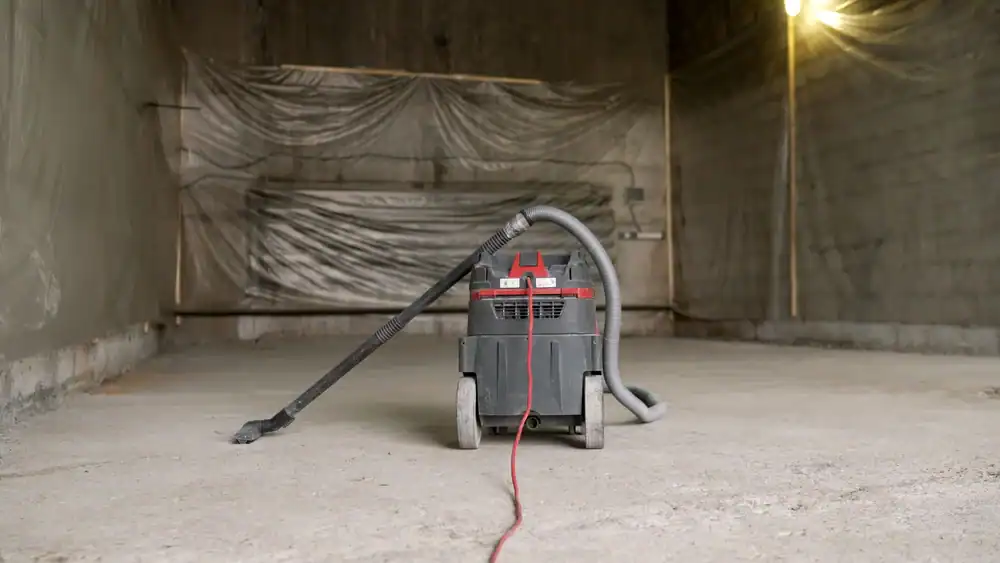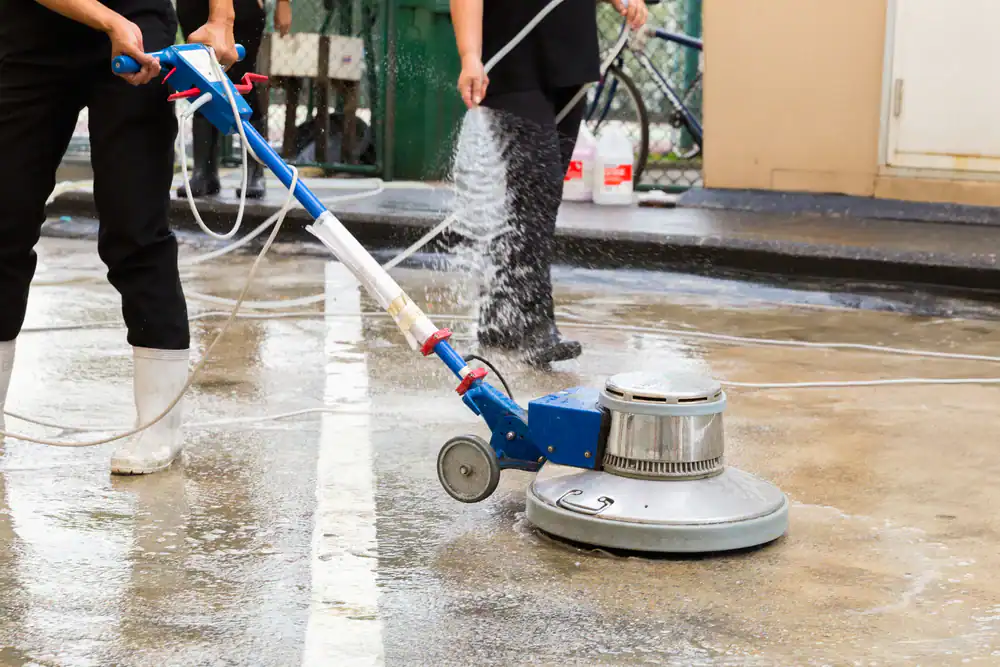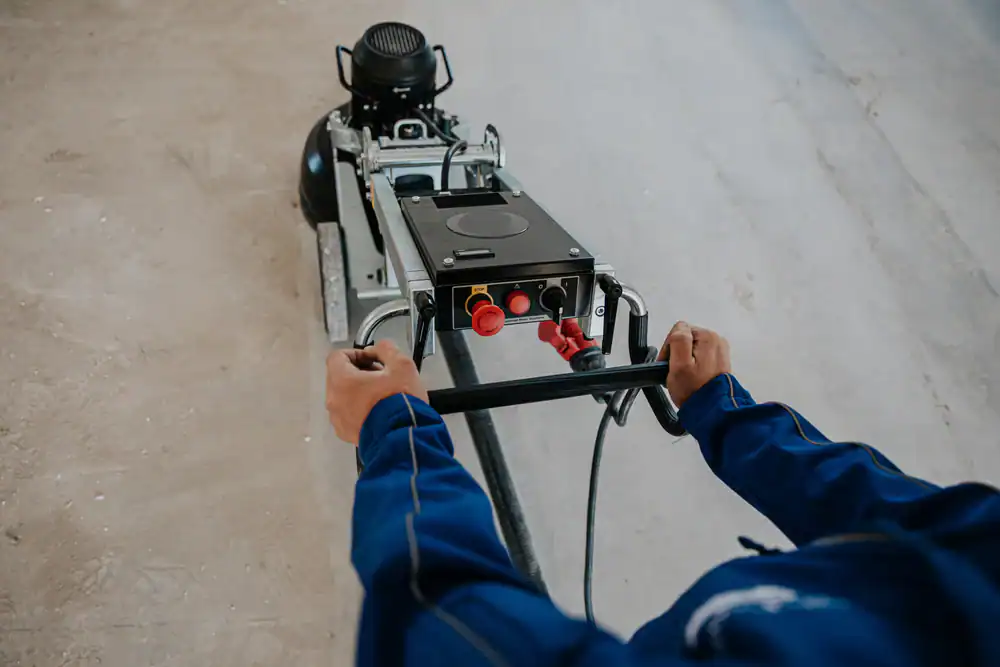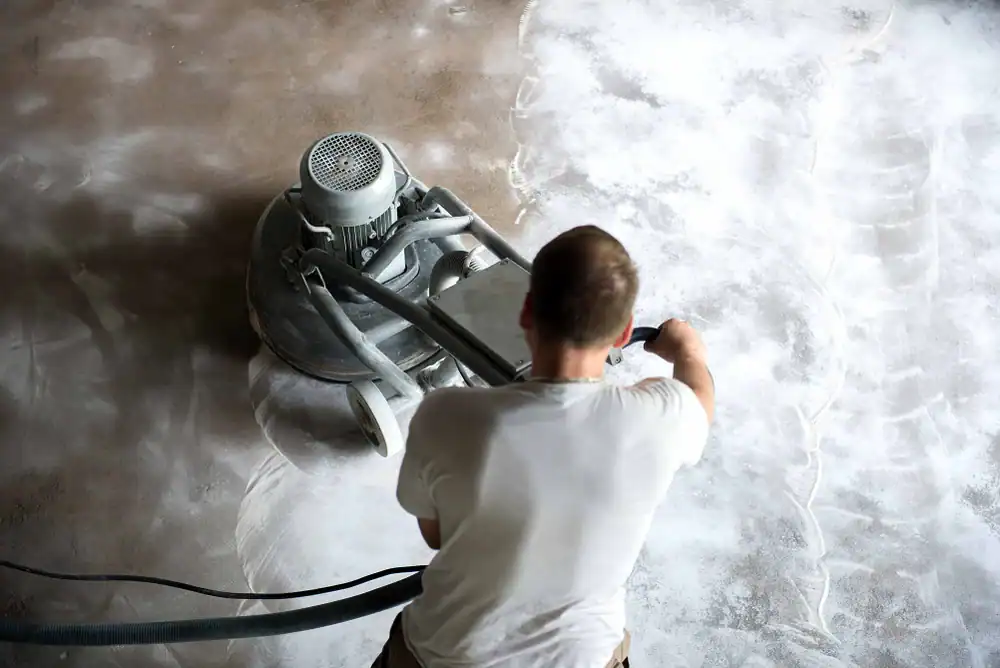
Scarifiers and Planers St. Lucie & Orange County, FL

Remove Thick Coatings Without the Headache

Grinders burn through discs on thick epoxy. Jackhammers damage the concrete you’re trying to save. When you need to strip heavy coatings, level uneven slabs, or fix trip hazards fast, rent the drum scarifier or rotary planer built for aggressive surface prep work.

Concrete Scarifier Rental in St. Lucie & Orange County, FL

Built for Jobs Grinders Can't Handle

A concrete scarifier uses a rotating drum fitted with tungsten carbide cutters that aggressively chip away surface material. Unlike grinders that abrade thin layers, scarifiers remove up to a quarter inch per pass—fast enough to strip thick epoxy, level settled slabs, or mill away damaged concrete in hours instead of days.

Walk-behind models give you the power to tackle parking lot striping, warehouse floor coatings, sidewalk trip hazards, and uneven expansion joints. The adjustable depth control lets you dial in exactly how much material you’re taking off, whether that’s a shallow pass for coating removal or deeper cuts for leveling work. Gas and electric options handle both outdoor projects and indoor spaces where ventilation matters.

Commercial Grade Machines

Well-maintained scarifiers from manufacturers contractors trust, not worn-out equipment that quits mid-job and costs you a full day.

Staff Who Know Equipment

Get matched with the right surface planer or milling machine for your specific job, not whatever happens to be sitting on the lot.

Rent by the Day or Month

Pay only for the time you actually need with flexible daily, weekly, and monthly rental terms that fit your project timeline.

Tool & Machinery Rental Services Florida

Full Range of Equipment for Every Phase
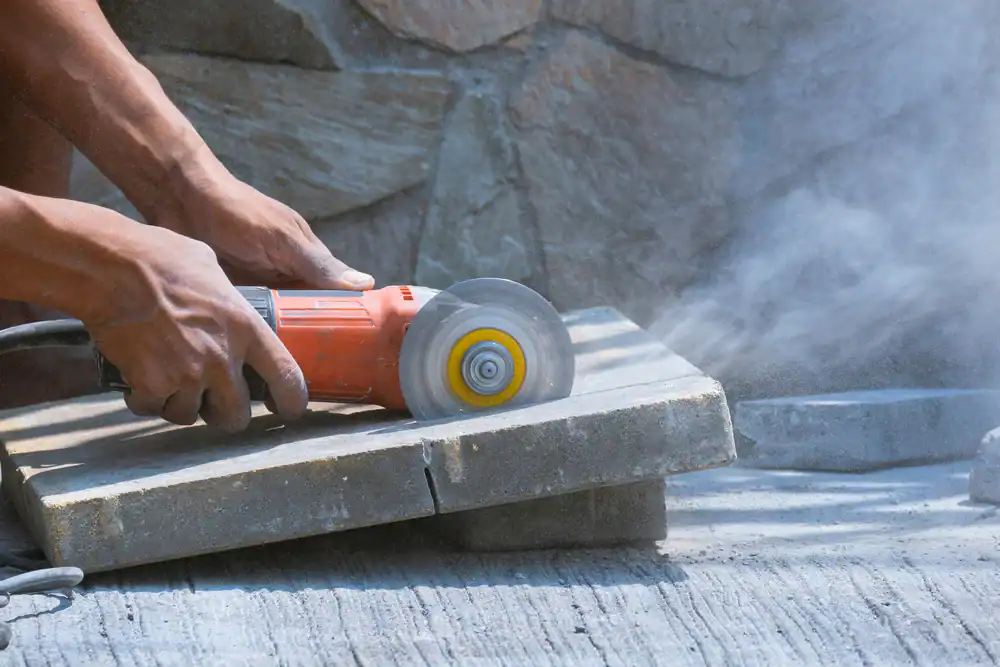
Surface Planer Equipment Rental Florida

Why Contractors Rent Scarifiers

The right surface preparation equipment solves problems that cost time and money when you're using tools that weren't designed for heavy-duty concrete work.

Strip industrial epoxy coatings in a fraction of the time it takes with grinders, without burning through expensive diamond discs every few feet.
Fix sidewalk trip hazards for thousands less than concrete replacement while still meeting ADA compliance requirements property managers face.
Level uneven slabs at expansion joints so overlays bond properly instead of cracking within months from poor substrate preparation.
Create the rough surface profile (CSP 4-9) that thick coating systems and overlays need to bond correctly and last years.
Keep projects on schedule with equipment built to run all day, not consumer tools that overheat after an hour of use.
Remove surface damage without destroying the concrete underneath, unlike demolition methods that force you to replace entire sections.

Rotary Planer Milling Machine Rental

Scarifiers vs Grinders: Which One You Need

Both prep concrete, but they’re built for different work. Grinders use diamond discs to shave thin layers and create smooth, polished surfaces. They’re ideal for removing light coatings, polishing floors, or achieving a refined finish. Scarifiers use carbide cutters on a drum to chip away material aggressively, leaving rough texture behind.

You need a scarifier when thick coatings would clog grinding discs—heavy epoxy systems, elastomeric membranes, multiple mastic layers, rubberized coatings from industrial facilities. Scarifiers also handle the leveling work grinders can’t: taking down high spots at joints, removing lips where slabs settled, milling damaged concrete polishing before resurfacing. That aggressive texture (CSP 4 to 9) gives thick coatings the tooth they need to bond.

Thick Coating Removal St. Lucie County, FL

What These Machines Actually Do

Parking lot striping and traffic markings—including thermoplastic baked into asphalt—come off in single passes. Sidewalk trip hazards get leveled by milling the raised edge down to match the lower slab, meeting ADA requirements without replacing concrete. Property managers in St. Lucie County, FL and Orange County, FL use this method because it solves liability issues for a fraction of replacement costs.

Industrial floors are where scarifiers earn their keep. Failed epoxy coatings, thick urethane systems, adhesive residue from old flooring—all gone. They remove the laitance layer on new concrete that prevents proper coating adhesion. They create slip-resistant texture on loading docks and ramps. They take down forklift damage and prep surfaces for decorative overlays.

Frequently Asked Questions

We're here to provide clear and helpful answers

Explore our FAQs to learn more about our process, pricing, and how we ensure quality, transparency, and client satisfaction at every stage.
A scarifier chips material away aggressively using carbide cutters on a rotating drum. It removes up to a quarter inch per pass and leaves rough, textured concrete behind. A grinder abrades the surface more gently with diamond discs, removing thinner layers and creating smooth finishes. You need a scarifier for thick coating removal—industrial epoxy, mastic, heavy adhesives that would destroy grinding discs. Scarifiers also level uneven slabs and create the aggressive surface profile (CSP 4-9) that thick overlays and coating systems require for proper bonding. Grinders work better for polishing, light prep, and achieving smooth surfaces. If you’re stripping heavy coatings or leveling concrete in St. Lucie County, FL or Orange County, FL, a scarifier handles it. For polishing or light work, rent a grinder. Many contractors use both on the same project—scarifier for aggressive removal, grinder to refine the finish.
Yes. Scarifiers are the most cost-effective way to eliminate trip hazards and meet ADA compliance without tearing out concrete. When slabs settle or heave, creating a vertical change of a quarter inch or more, a concrete scarifier mills down the raised edge to create a smooth, gradual transition. This removes the tripping hazard, satisfies federal ADA requirements, and costs a fraction of concrete replacement. The process is faster, less disruptive, and leaves a slip-resistant textured surface. Property managers and municipalities across Florida use this method because it solves liability issues while staying within budget. The key is using equipment with proper depth control to create the gradual slope ADA specifications require. You’re fixing the problem, not just covering it up.
Thick epoxy floor systems, urethane coatings, elastomeric membranes, mastic adhesives from old tile or carpet, rubberized coatings, multiple paint layers, thermoplastic parking lot markings, pressure-sensitive adhesives—basically the coating removal jobs that burn through grinding discs or take forever with chemical strippers. The carbide cutters chip through materials that are too thick, too well-bonded, or too flexible for other methods. Industrial facilities use scarifiers to strip failed coating systems before recoating warehouse floors. Contractors remove decades-old epoxy that’s still tenaciously bonded. The rotating drum works even when coatings are several millimeters thick or when you’re dealing with multiple layers applied over years. Match the cutter type to your coating—standard carbide for most epoxy and paint, milling cutters for soft materials like mastic. That’s the difference between finishing in hours versus days.
Eight-inch walk-behind models work for sidewalk repairs, small to medium floor areas, and spaces with columns or walls where you need maneuverability. They cover 350 to 500 square feet per hour at an eighth-inch depth. Ten to thirteen-inch models handle larger areas more efficiently—parking lots, warehouse floors, any project covering significant square footage. Power source matters too. Gas-powered scarifiers give you mobility for outdoor work and higher horsepower for tough jobs in Orange County, FL or St. Lucie County, FL. Electric models work better indoors where ventilation is limited or noise is a concern. If you’re working around tight spaces, doorways, or need to get close to walls, the smaller size gives you better control. For open areas where production speed matters, go larger. Just describe your project and we’ll match you with the right machine.
Walk-behind scarifiers are straightforward if you have basic power equipment experience, but they do require some technique. The machine is self-propelled, so you’re guiding it rather than pushing. Start with shallow depth settings until you understand how the machine responds, then adjust deeper as needed. The drum spins fast and cutters hit hard, so you’ll feel vibration through the handles. Proper stance matters—let the machine do the work instead of fighting it. We provide basic operating instructions with every rental. Watch a quick tutorial if you’re new to surface planers. The learning curve isn’t steep, but respect the power. Wear eye protection, hearing protection, and a dust mask. Use the vacuum port if available to control dust. Practice on a less visible area first to dial in your technique before tackling the main work. You’ll get the hang of it quickly.
Yes, though you may need different cutter configurations depending on the material and application. Concrete scarifying typically uses aggressive carbide cutters for removing coatings, leveling high spots, or creating texture. Asphalt work involves removing markings, milling surfaces, or preparing for overlays. Some applications require milling cutters designed specifically for softer materials like asphalt or thermoplastic markings. When you’re arranging a rental, mention what surface you’re working on so you get the right cutter setup. The base machine is the same, but cutter assemblies are interchangeable. Asphalt can gum up cutters more than concrete, so proper cutter selection and sometimes lubrication make a difference in St. Lucie County, FL and Orange County, FL projects. We’ll outfit the scarifier with appropriate cutters for your specific surface and application.
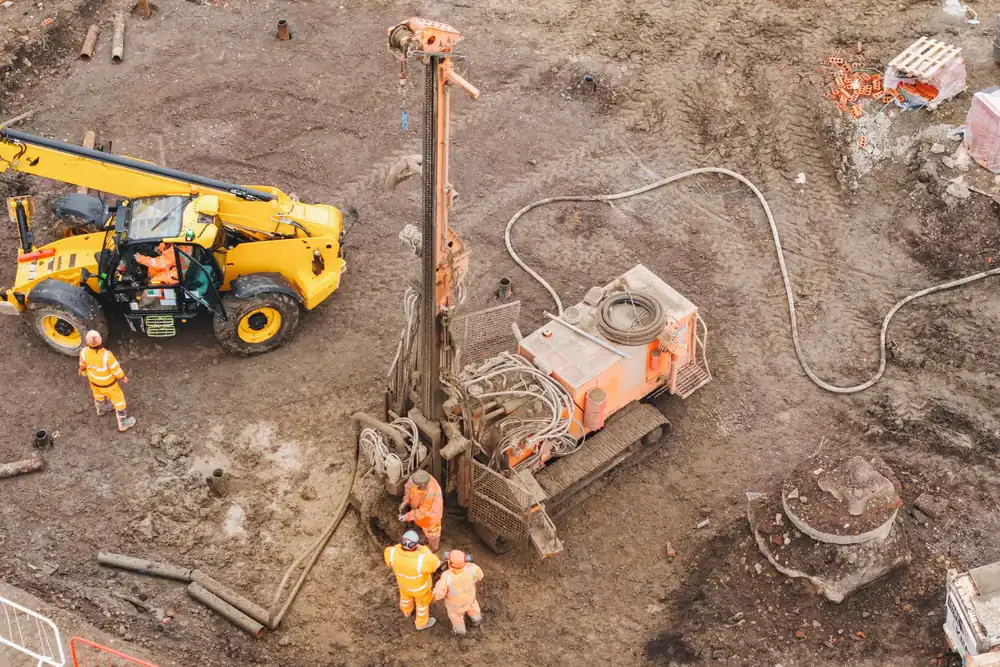
Aerial view of three construction workers in orange safety gear operating heavy drilling machinery—available through equipment rental St. Lucie & Orange County, FL—on a muddy site, with a yellow vehicle parked nearby.