Shot Blaster Rentals St. Lucie & Orange County, FL

Coatings That Stick Start With Proper Surface Prep

When epoxy failure means callbacks and lost money, you need surface prep that creates the profile coatings actually bond to. We rent 7″ to 20″ shot blasters sized for your project across St. Lucie County and Orange County, FL.

Professional Shot Blasters in St. Lucie & Orange County, FL

The Right Machine for Epoxy Prep and Coating Removal

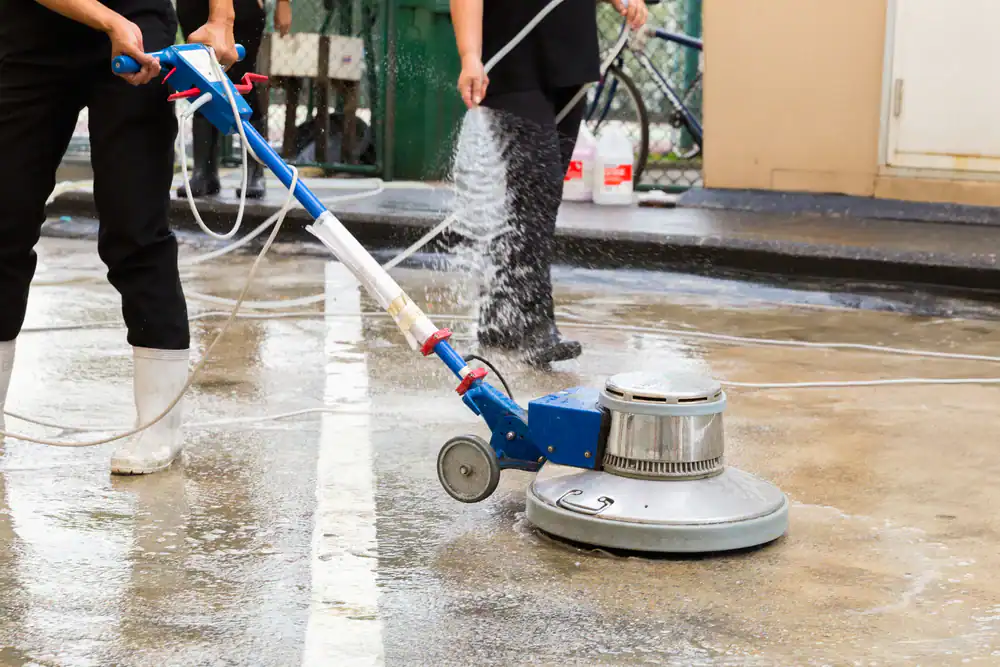
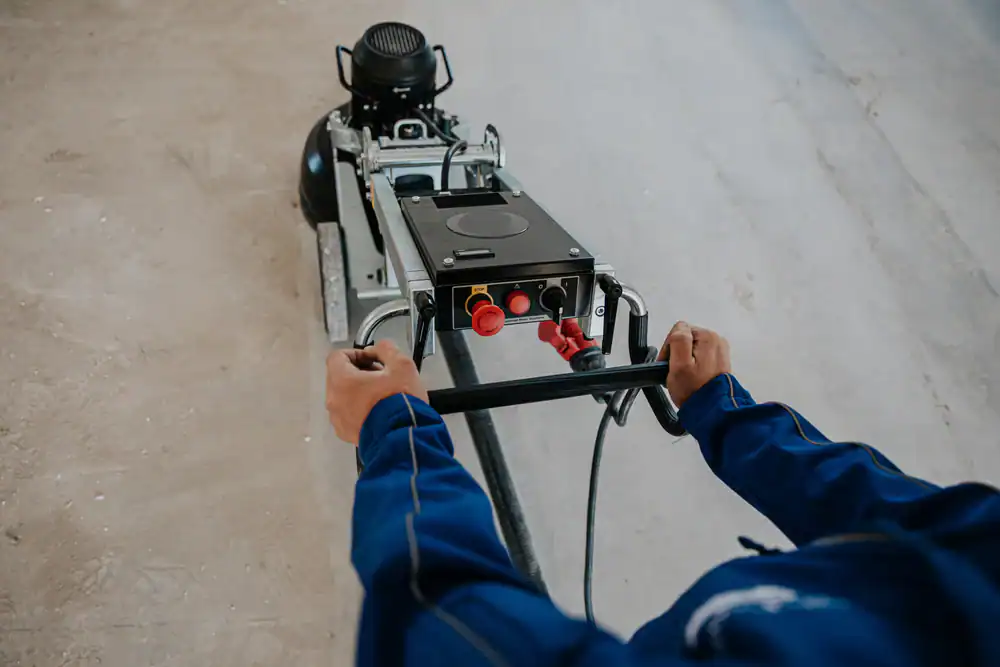
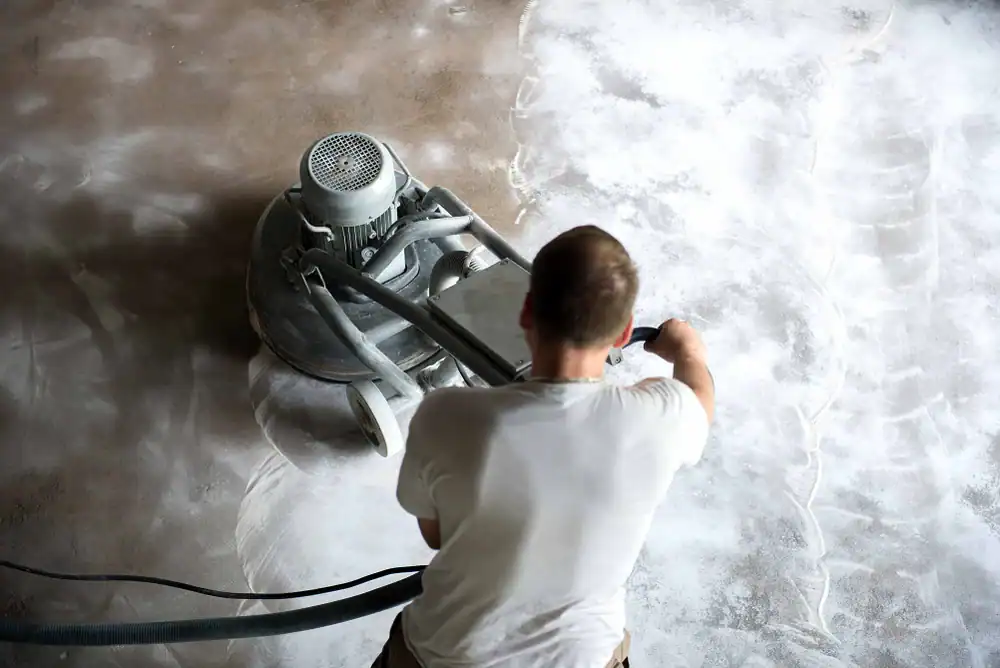
Shot blasters use steel shot propelled at high velocity to remove existing coatings, strip away surface contaminants, and create the textured profile that makes coatings bond. It’s a one-pass process that cleans and profiles concrete simultaneously, which is why flooring contractors and facility managers rely on it for epoxy installations, warehouse floor restoration, and industrial surface prep across Florida. We stock 8-inch walk-behind models for residential garages and pool decks, 10-inch self-propelled machines for mid-size commercial spaces, and 15-inch to 20-inch ride-on units that cover thousands of square feet per hour in large warehouses. Each size handles different production rates and access requirements, so you’re not stuck with equipment that’s wrong for the job.

Seven Sizes from Residential to Industrial

From 7-inch models for tight garage spaces to 20-inch machines covering large warehouse floors, you rent the capacity your project needs without overpaying.

Delivers Required CSP Profiles

Achieve the concrete surface profiles coating specs demand, from CSP 2 for thin epoxy to CSP 6 for heavy industrial systems.

Flexible Daily and Weekly Terms

Daily rentals for quick residential jobs or weekly rates for commercial projects that need more time to prep larger square footage.

Tool & Machinery Rental Services Florida

Full Range of Equipment for Every Phase
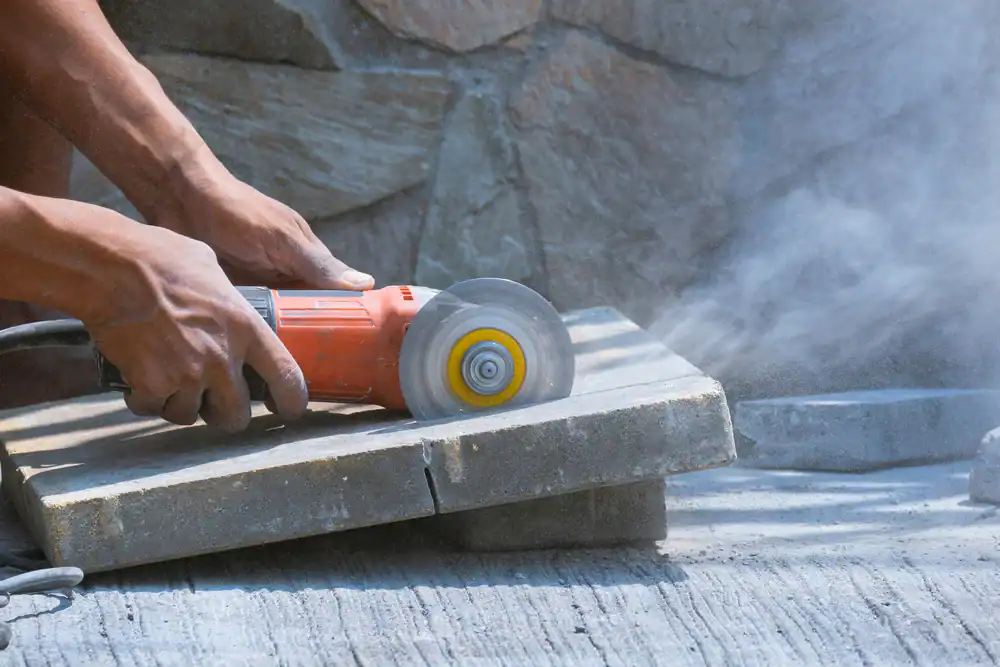
Concrete Surface Preparation St. Lucie County

What Proper Surface Prep Actually Gets You

Shot blasting isn't just about removing old coatings. It's about creating a surface that coatings can actually grip, so your work holds up and your reputation stays intact.

Your epoxy or coating bonds properly because the concrete has the right surface profile, not just a clean appearance.
You finish surface prep faster since shot blasting removes coatings and profiles concrete in a single pass instead of multiple steps.
The coating you apply actually lasts because contaminants like oil, grease, and laitance get stripped away, not just pushed around.
Your project passes inspection when specifications call for specific CSP profiles that shot blasting consistently delivers.
You avoid callbacks from peeling or failing coatings that result from inadequate surface preparation or improper profiling methods.
Job sites stay cleaner when you pair shot blasters with proper dust collection instead of creating clouds of concrete dust.

Epoxy Prep and CSP Profiles

Why Surface Profile Matters for Coating Adhesion

Concrete Surface Profile isn’t just industry jargon. It’s the measurable texture that determines whether your coating sticks or fails. CSP ratings from 1 to 10 define how rough the surface is, and different coatings require different profiles. Thin epoxy films need CSP 2 to 3. Thicker polymer systems need CSP 4 to 6. Heavy-duty industrial coatings may require CSP 7 or higher. Shot blasting achieves these profiles by adjusting shot size, machine speed, and the number of passes. A light profile for a residential garage epoxy uses finer shot and faster travel speed. A deep profile for a warehouse floor with heavy forklift traffic uses coarser shot and slower speeds. Concrete Grinding can smooth concrete, but it often doesn’t create enough texture for proper mechanical bonding. Acid etching is inconsistent and won’t remove petroleum contaminants.

Coating Removal and Floor Preparation

One Machine That Strips and Profiles Simultaneously

Most surface prep methods do one thing. Shot blasting does two. The steel shot removes existing epoxy coatings, paint, adhesive residue, and surface contaminants while simultaneously creating the textured profile your new coating needs. You’re not making two passes with different equipment or switching between removal and profiling steps. The shot gets propelled by a centrifugal wheel, hits the concrete with enough force to chip away coatings and laitance, then gets vacuumed back into the machine along with the debris. The steel shot recirculates and gets reused until it’s too small to be effective. A magnetic sweeper picks up any shot that escapes, so you’re not leaving steel pellets embedded in the concrete.

Frequently Asked Questions

We're here to provide clear and helpful answers

Explore our FAQs to learn more about our process, pricing, and how we ensure quality, transparency, and client satisfaction at every stage.
For a standard two or three-car residential garage, a 7-inch or 8-inch walk-behind shot blaster handles the job efficiently. These models produce 275 to 450 square feet per hour, which means you can prep a typical 400-600 square foot garage floor in about two hours of actual blasting time. The smaller width also makes it easier to maneuver around garage door tracks, support posts, and tight corners. If you’re doing multiple garages back-to-back or working in a larger space, a 10-inch self-propelled model speeds up production without being too large for residential access. The key is matching machine capacity to your square footage so you’re not paying for more power than you need while still finishing in a reasonable timeframe.
Shot blasters and diamond grinders serve different purposes, and understanding the difference saves you time and headaches. Shot blasting removes coatings and contaminants while creating surface profile in one pass, making it ideal when you’re stripping old epoxy, dealing with oil-contaminated concrete, or need a specific CSP rating for coating adhesion. Diamond grinding smooths concrete and removes high spots but doesn’t create as much texture and struggles with thick coatings or embedded contaminants. If you’re prepping new concrete with minimal contamination for a thin coating, grinding might work. But if you’re removing existing coatings, dealing with contaminated surfaces, or need CSP 3 or higher for proper bonding, shot blasting is the more effective method. Many flooring contractors use both – shot blasting for the main surface prep and grinding for detail work along walls or for specific leveling needs.
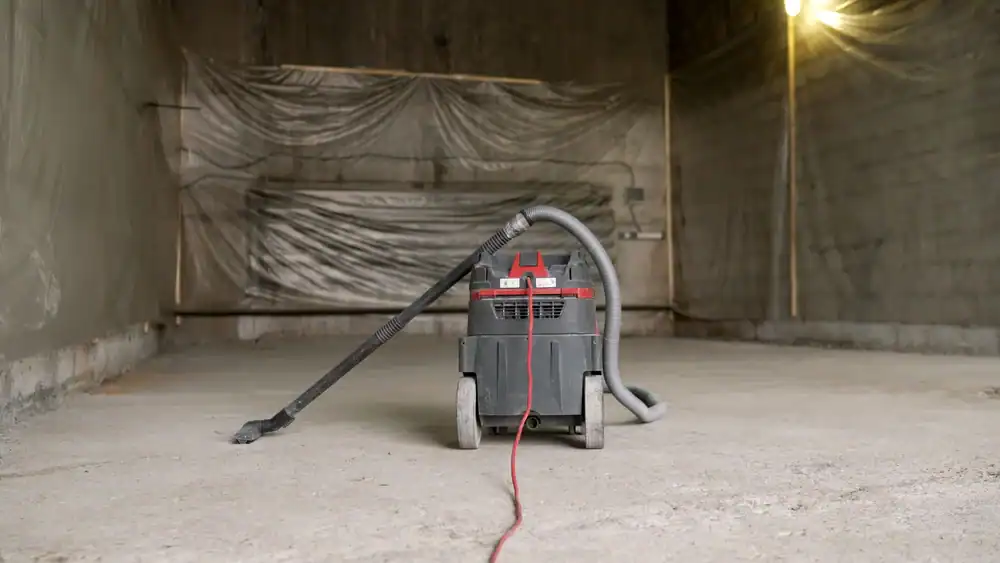
Yes, shot blasters require a compatible dust collection system to operate effectively and safely. The dust collector connects via hose to the shot blaster and creates the vacuum that pulls debris and spent shot back into the recovery system. Without proper dust collection, you’ll have concrete dust everywhere, the machine won’t function properly, and you’ll violate most job site safety requirements. When you rent a shot blaster from us, we’ll make sure you have access to a dust collector that matches the machine’s CFM requirements. The dust collector isn’t optional – it’s what makes shot blasting a contained, relatively dust-free process instead of a mess. Factor the dust collector into your rental budget and timeline, because you can’t run the shot blaster without it.
CSP ratings measure how rough or textured the concrete surface is after preparation, and different coatings require different profiles for proper adhesion. CSP 2 is a light texture, similar to fine sandpaper, with shallow peaks and valleys. It’s appropriate for thin epoxy coatings, sealers, and light-duty applications where you need some tooth for bonding but not aggressive texture. CSP 5 is much rougher, with deeper peaks and valleys that you can easily feel and see. It’s required for thicker coating systems, polymer overlays, and heavy-duty industrial floors that need maximum mechanical bonding. The practical difference is that achieving CSP 2 requires finer steel shot, faster machine travel speed, and lighter blasting. CSP 5 needs coarser shot, slower speeds, and more aggressive blasting. Your coating manufacturer’s technical data sheet will specify the required CSP range, and that determines how you operate the shot blaster. Using the wrong profile means coating failure, even if the surface looks clean.
A 10-inch self-propelled shot blaster typically produces 1,200 to 1,500 square feet per hour under good conditions, which translates to roughly 9,000 to 12,000 square feet in a full eight-hour day if you’re working efficiently. But real-world production depends on several factors. If you’re removing thick epoxy coatings, you’ll move slower than if you’re profiling clean concrete. If the space has a lot of columns, equipment, or obstacles, you’ll spend time maneuvering and doing detail work. If you need a deeper CSP profile, you may need to make multiple passes. A realistic estimate for commercial warehouse floor prep with moderate coating removal is probably 6,000 to 8,000 square feet per day once you account for setup time, edge work, and the fact that you’re not blasting continuously for eight hours. For project estimating, figure out your total square footage, understand what condition the concrete is in, and add buffer time for the reality that production rates are maximums, not guarantees.
Shot blasters excel at removing thick epoxy coatings, which is actually one of their primary advantages over other surface prep methods. The high-velocity steel shot chips away at thick epoxy, polyurethane, and other hard coatings that would gum up grinding wheels or take forever to remove manually. The key is adjusting your approach based on coating thickness. For thin paint or light epoxy, you can move at normal production speeds with standard shot size. For thick industrial epoxy or multiple coating layers, you’ll slow down, possibly use coarser shot, and may need to make multiple passes. Some contractors make a first pass to break through the coating, then a second pass to remove residue and achieve the final surface profile. Very thick coatings (over a quarter-inch) might require scarifying first, then shot blasting for final prep. But for the vast majority of epoxy coating removal projects – warehouse floors, garage floors, commercial spaces – shot blasting handles it in one operation without switching equipment or methods.
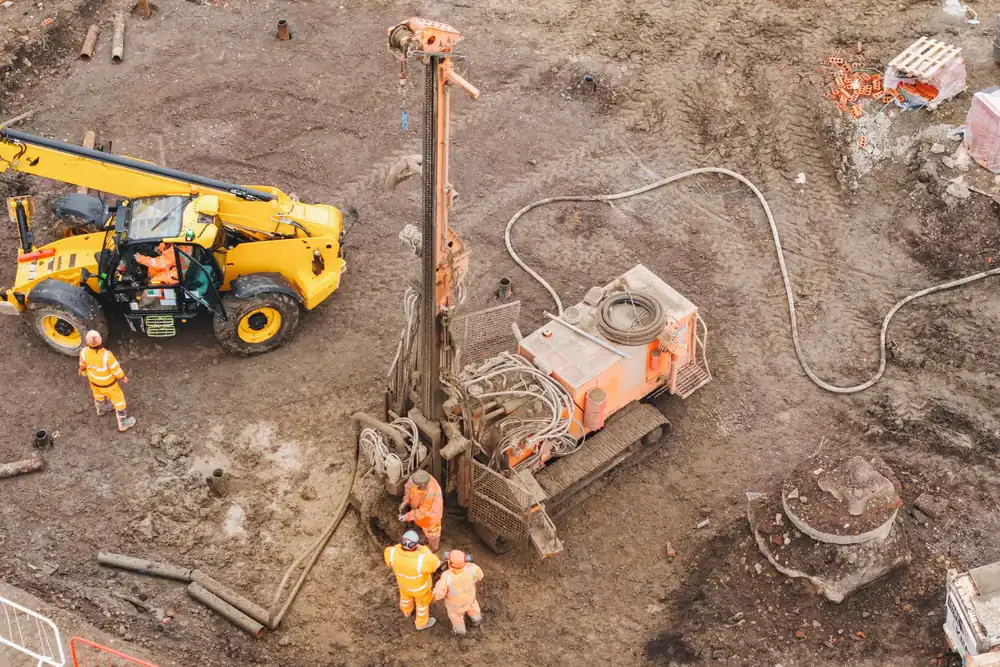
Aerial view of three construction workers in orange safety gear operating heavy drilling machinery—available through equipment rental St. Lucie & Orange County, FL—on a muddy site, with a yellow vehicle parked nearby.